
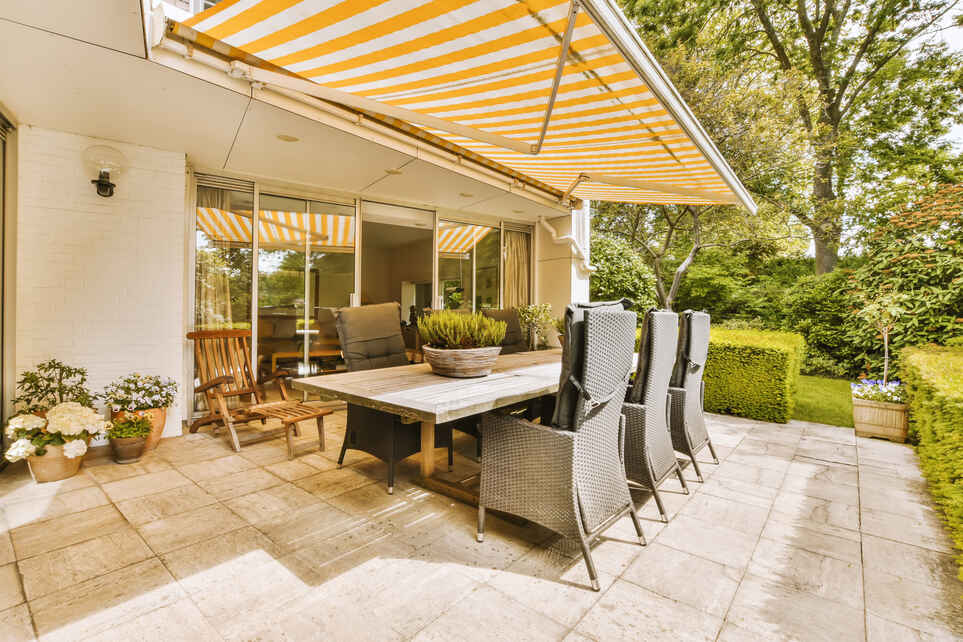
Many homeowners reach a point where they want to make their garden, patio or outdoor seating area more enjoyable. It could be adding an area with better shade, a quiet seating area, or just wanting more comfort when spending time outside. This is when many homeowners wonder whether to invest in a conservatory or opt for a modern garden awning. Both options have their advantages, but they offer very different experiences. Here, we break down the key differences to help homeowners decide which upgrade best suits their home.
Understanding What Each Option Brings
Before choosing between a conservatory and an awning, it helps to understand how each works within the home. A conservatory is a permanent structure that adds an enclosed room to the property. It offers extra living space and can be used year-round with proper insulation and heating. However, it can also be costly, and the build can take time, depending on the planning requirements and the structure’s style.
Awnings tend to focus on shade and comfort. Modern systems are designed to suit a wide range of homes, from small terraces to large family gardens. With awnings becoming more popular, many households now see them as a practical alternative that provides instant results.
Why Awnings are Becoming a Popular Choice
Enjoying our outdoor spaces is now more popular than ever. Instead of enclosing their space with a conservatory, many homeowners prefer a shaded, open area that still feels connected to the garden. A high-quality awning provides exactly that. It creates a comfortable outdoor area that feels bright, airy and protected from the sun.
A conservatory offers an indoor extension, but without the right ventilation or shading, it can become too hot in summer and too cold in winter. This is why many people opt for garden awnings for greater flexibility.
Comparing Cost, Disruption and Speed
For those trying to decide between these two home improvements, budget and time might play a big role in which option to go with.
Conservatory Costs and Timeline
A conservatory is a significant investment. Costs can vary widely depending on materials, glazing, roofing, and heating options. It may also need planning permission, which adds to the overall timeline. The construction itself usually takes several weeks and involves groundwork, glazing, roofing and finishing.
Awning Costs and Timeline
Awnings are generally more cost-effective because they do not require structural changes. After our experts have made the bespoke awning, it can be installed quickly, often within a day. There is no need for planning permission in most cases, and disruption to the home is minimal. For anyone looking for a fast, neat upgrade with clear benefits, garden and patio awnings are appealing choices.
How Much Shade and Temperature Control Do You Need?
One of the biggest reasons people consider conservatories is the desire for a bright, comfortable space. However, many find that the excessive heat from direct sunlight becomes an issue.
Conservatory Shade Challenges
Because conservatories are made of glass, they let in a lot of sunlight. Even with blinds or tinted roof panels, it can still feel warm and uncomfortable on hot days. This limits how often the space can be utilised.
Awning Shade Performance
Awnings block a significant amount of heat and UV rays, creating cooler outdoor seating areas and reducing indoor temperatures. This makes them ideal for properties that get intense afternoon sun.
Flexibility and Everyday Use
When a Conservatory Makes Sense
A conservatory may suit those who are looking for a sealed room that can be used all year round. It can become a dining room, office or playroom with heating and glazing upgrades.
When an Awning Makes Sense
Awnings offer everyday flexibility. They extend when more shade is needed and retract fully when not in use. This means the garden or patio stays open and natural. They can also be fitted with optional extras, such as:
- LED lighting
- Heating
- Wind sensors
- Remote controls
This allows users to create an outdoor living area that adapts to their lifestyle. Many homeowners prefer this flexibility over a fixed structure.
Maintenance and Long-Term Care
Long-term maintenance is another area where the differences become clear.
Conservatory Maintenance
Conservatories require regular cleaning, especially the roof, which can collect dirt, leaves and moss. Homeowners will also need to maintain seals, handles, drainage and glazing over time. If the conservatory experiences large temperature swings, the windows may also regularly develop condensation, which needs to be addressed.
Awning Maintenance
Awnings are designed to be low-maintenance. At Cambridge Awnings, the fabrics we use in our high-quality garden awnings are UV-resistant, durable and easy to care for. The frame and mechanisms only need occasional checks to ensure everything runs smoothly. For homeowners who prefer a simpler upgrade with fewer long-term commitments, an awning is often the easier solution.
How Much Space Do You Want to Change?
Homeowners should also think about how much of their garden or patio they want to alter. A conservatory adds a whole new room, so some of the garden will be sacrificed. For smaller gardens, this can feel restrictive. It also creates a fixed area, which cannot be adjusted once built. Awnings give users shade when they want it and open sky when they don’t. They maximise the space you already have, without taking any of it away permanently. This makes them perfect for:
- Patios
- Decking areas
- Outdoor dining spaces
- Seating areas
- Family gardens
Energy Efficiency and Sun Protection
Another factor to think about is how each option affects a home’s energy use:
Conservatories and Energy Use
Because conservatories have large glass surfaces, they can let in a lot of heat. Some people use fans or air conditioning to cool their spaces in summer. In winter, they may rely on extra heating, which can raise energy bills.
Awnings and Energy Control
Awnings reduce solar heat gain before it even reaches a property’s glass doors or windows. This helps naturally maintain a cooler indoor temperature. It’s a simple and effective way to increase comfort without raising energy use. High-quality fabrics also offer excellent UV protection, helping to shield both the family and furniture from sun damage.
Which Option Offers Better Value?
Value is about more than the upfront price. It’s also linked to how often the space will be used and how it will improve everyday living. A conservatory is an extra room that may increase property value but requires a higher budget and more maintenance.
An awning improves both indoor and outdoor comfort, provides instant shade, and upgrades a garden. It offers quick results, low running costs and ongoing flexibility. For most people looking for a practical, enjoyable improvement that benefits both the garden and the home, an awning offers excellent value.
Garden Awnings: Making the Right Choice for Your Home
Choosing between a conservatory and an awning depends on what you want to achieve. If you’d like a fully enclosed room that blends with the rest of the home, a conservatory may be a better option. However, if you want better shade, improved comfort, and a more flexible outdoor area you can use more often, an awning is a simpler, highly effective solution.
At Cambridge Awnings, we help customers across Cottenham create stunning awnings for their gardens. We pride ourselves on stocking leading brands and ensuring our customers are left with an awning they can enjoy for years to come. If you’re considering upgrading your outdoor space, contact us today for more information. We are here to guide you through the options and help you choose the perfect awning for your lifestyle.