
WHAT HAPPENS DURING A SURVEY?
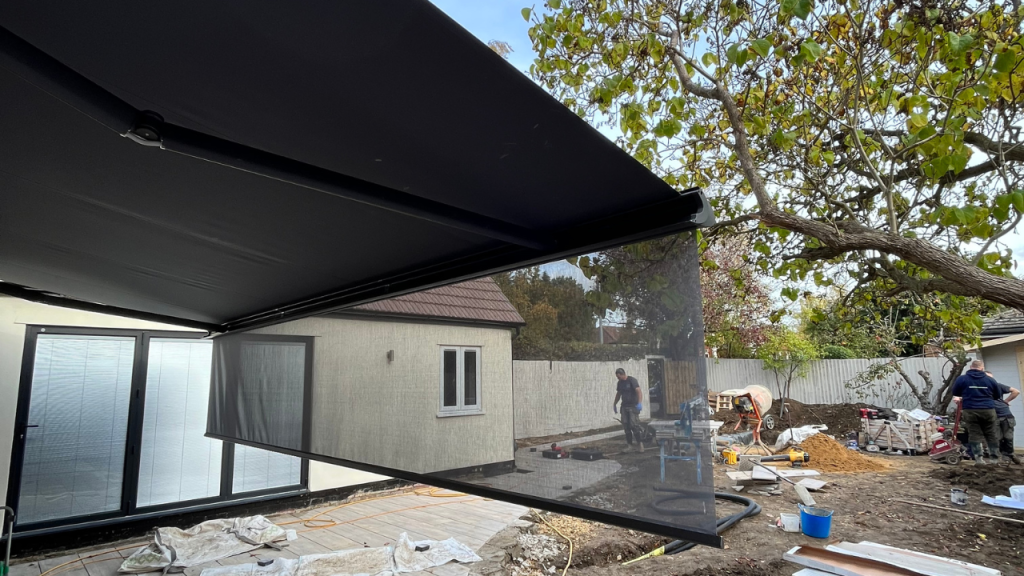
One Of The Most Important Parts Of The Entire Process If you’ve never purchased an awning, pergola or outdoor living system before, it’s perfectly normal to wonder what actually happens during a survey. Many customers imagine a salesperson arriving with brochures and price lists. The reality is usually very different. At Cambridge Awnings, the survey is not about selling. It’s about understanding. Before we can recommend any solution, we first need to understand: Only then can meaningful recommendations be made. We Start With A Conversation The survey usually begins with a simple discussion. We’re interested in understanding: This part is often more important than any measurements we take later. Why? Because two customers can have identical patios and require completely different solutions. Understanding The Problem Sometimes the issue is obvious. Examples include: Other times, the discussion helps uncover possibilities the customer hadn’t previously considered. Looking At The Property Once we understand your objectives, we’ll assess the installation area. This may include: The objective is to understand anything that may influence the recommendation. Why Construction Matters One of the biggest misconceptions is that all properties are the same. They aren’t. Two houses may look identical from the outside but be constructed very differently. Understanding construction helps us determine: This is why surveys are always valuable. Exploring The Available Options Once we understand both the property and your objectives, we can begin discussing possible solutions. Depending on the situation, we may explore: The objective isn’t to overwhelm you with choices. The objective is to explain the options that genuinely suit your circumstances. Asking Questions The survey is also your opportunity to ask questions. Common topics include: No question is too small. The more information you have, the easier it becomes to make an informed decision. Measurements & Technical Information Where appropriate, we’ll take measurements and gather technical information required for the proposal. This may include: This information allows us to prepare accurate recommendations and quotations. What The Survey Is Not The survey is not: We’ve always believed customers should have the time and information required to make good decisions. Our role is to provide advice. The decision is always yours. What Happens After The Survey? Following the survey, we’ll prepare a recommendation based on everything we’ve discussed. This will typically include: This allows you to review everything in your own time. Why Customers Value Surveys Many customers tell us afterwards that the survey was far more helpful than they expected. Not because they learned about awnings. But because they gained a better understanding of what was possible. Often the best ideas emerge during the conversation itself. Our Advice Use the survey as an opportunity to explore possibilities. The more we understand, the better our recommendations become. Ready To Arrange A Survey? If you’re considering an awning, pergola or outdoor living solution, we’d be delighted to visit and discuss your project. We’ll take the time to understand your property, answer your questions and recommend solutions tailored to your requirements. No pressure. No obligation. Just honest advice and practical guidance.
AWNING OR PERGOLA – WHICH IS RIGHT FOR YOUR HOME?
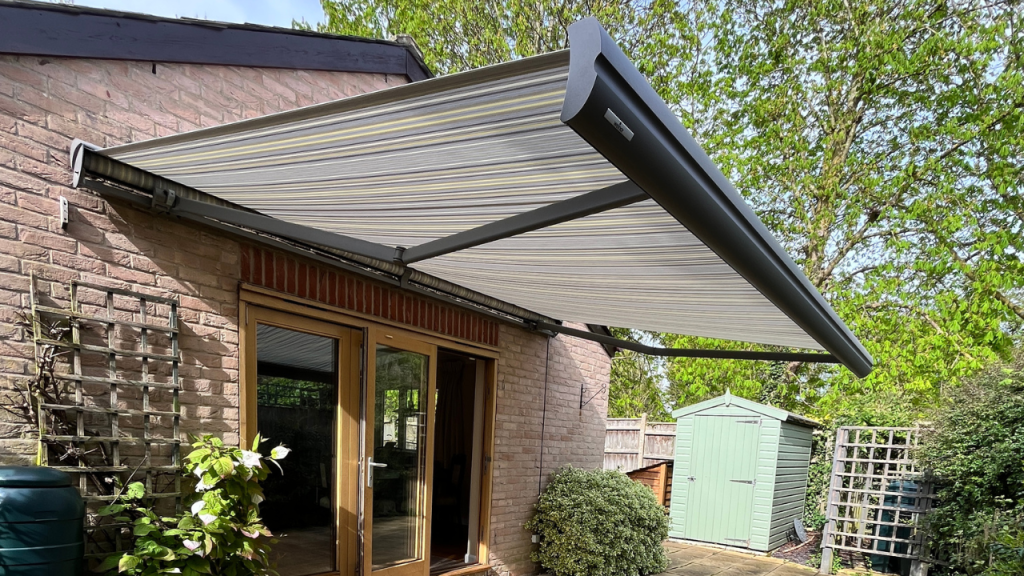
One Of The Most Common Questions We Hear Many homeowners contact us knowing they want to improve their outdoor space. What they’re less certain about is which solution they need. The question often sounds something like this: “Should I choose an awning or a pergola?” The honest answer is: It Depends What You’re Trying To Achieve Neither solution is automatically better. They’re simply designed for different objectives. Start With The Outcome The biggest mistake people make is comparing products before thinking about outcomes. Instead of asking: “Which product is best?” Ask: “How do I want to use my outdoor space?” The answer usually points us towards the right solution. When An Awning Is Often The Better Choice A traditional folding-arm awning is often ideal when: For many properties, an awning provides everything required. What Homeowners Like About Awnings For many customers, this combination is difficult to beat. When A Pergola May Be Worth Considering A pergola often becomes attractive when: Pergolas tend to become extensions of the home rather than simply shading systems. What Homeowners Like About Pergolas For some properties, this creates an entirely different outdoor living experience. What About Plaza Viva? The Plaza Viva often sits between a traditional awning and a pergola. Many customers find it provides an excellent balance of: It’s one of the reasons the Plaza Viva has become such a popular solution. What About Pergotex II? The Pergotex II is designed for customers who want to create a more substantial outdoor living environment. It is often chosen by homeowners looking for: The emphasis is less on shade and more on transforming the way the space is used. Which Solution Is Right For Your Home? The answer depends on: No website can fully answer those questions. That’s why surveys are so valuable. The Survey Makes The Difference During a survey we’ll discuss: Only then do we make recommendations. Our Advice Don’t start with products. Start with the lifestyle you want to create. Once you know the outcome you’re aiming for, choosing the right solution becomes much easier. Ready To Explore The Possibilities? If you’re considering an awning, Plaza Viva or Pergotex II, we’d be delighted to help. We’ll explain the differences, answer your questions and recommend the solution we believe best suits your home. No pressure. No obligation. Just honest advice and practical guidance.
CAN AN AWNING BE USED IN THE RAIN?
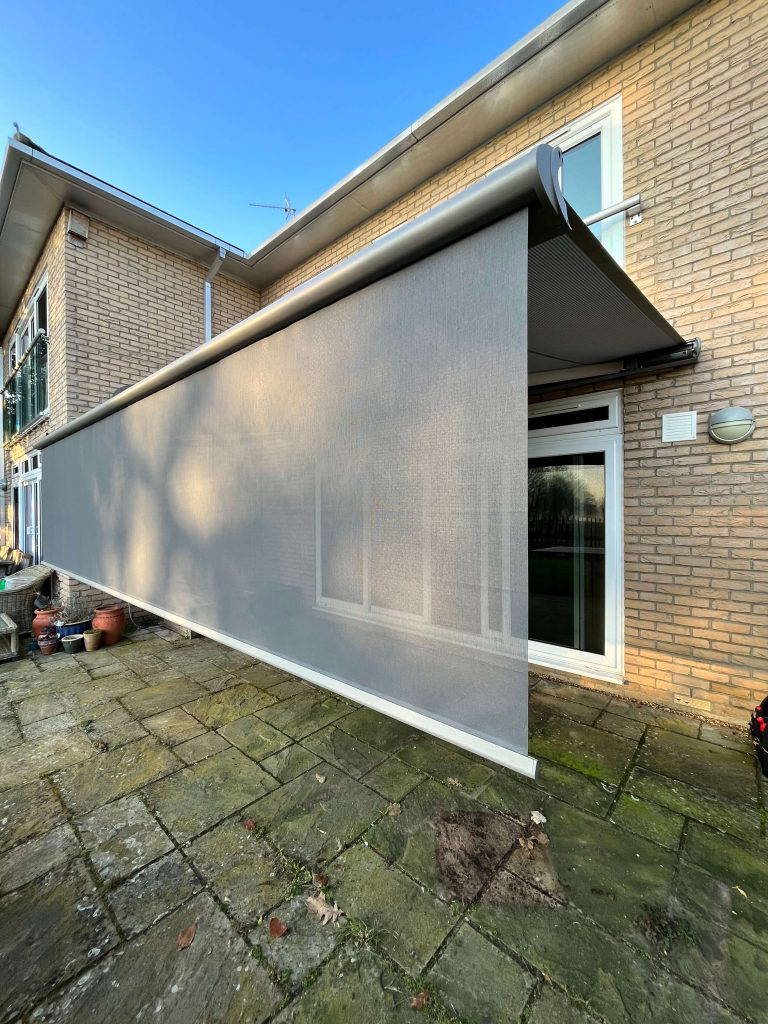
The Honest Answer Is Yes – But There Are Some Important Things To Understand This is one of the most common questions we’re asked. The simple answer is: Yes Modern awnings can provide protection from light rain and passing showers. However, there are some important differences between an awning and a dedicated weatherproof outdoor structure. Understanding those differences will help you choose the right solution for your property. What Is An Awning Designed To Do? The primary purpose of an awning is: Rain protection is often a useful secondary benefit. However, most traditional folding-arm awnings are designed primarily for solar shading rather than prolonged wet weather use. Light Rain Usually Isn’t A Problem If you’re sitting outside and a brief shower passes through, most quality awnings will provide a comfortable level of protection. Many customers continue enjoying: without any difficulty. This is one of the reasons awnings are so popular. Heavy Rain Is Different The longer rain continues, the more important it becomes to understand the limitations of fabric systems. Like all stitched fabric products: This doesn’t mean the awning has failed. It’s simply the reality of fabric construction. Pitch Matters One factor many people don’t consider is: Pitch The angle of the awning can significantly influence how effectively water drains away. A correctly installed awning allows rainwater to run off more efficiently than a system with insufficient fall. This is something we consider carefully during the survey process. Wind Changes Everything Rain on its own is often manageable. Rain combined with wind is a different situation. Wind can place significant stress on any outdoor shading system. This is why we always discuss: during the design process where appropriate. What Happens If The Fabric Gets Wet? Nothing unusual. Awnings get wet. That’s perfectly normal. However, if the awning is retracted whilst damp, we generally recommend extending it again once conditions improve so that the fabric can dry naturally. This helps reduce the risk of: It’s simply good housekeeping. What About Storms? No awning should be viewed as storm protection. During severe weather conditions, retracting the awning is always the safest option. Modern automation systems can assist with this by using: These can provide additional peace of mind when conditions change unexpectedly. If Rain Protection Is Your Main Objective This is where an important conversation often takes place. Sometimes a customer tells us: “I don’t really want shade. I want weather protection.” Those are not always the same thing. In these situations, we may discuss alternatives such as: These solutions can often provide a higher level of weather protection than a traditional folding-arm awning. The Most Important Question Rather than asking: “Can an awning be used in the rain?” A better question is: “How do I want to use the space?” If you’re looking for occasional protection from passing showers, a traditional awning may be ideal. If you’re looking to create an outdoor room that remains usable in a wider range of weather conditions, there may be better solutions available. That’s exactly the sort of conversation we have during surveys. Our Advice Think about how you genuinely want to use your outdoor space. Not just on the best days of the year. But throughout the season. Once we understand that, we can recommend the solution that best suits your objectives. Ready To Explore The Options? If you’re unsure whether an awning, Plaza Viva or Pergotex II is the right choice for your property, we’d be delighted to help. We’ll discuss how you use the space, explain the available options and provide honest recommendations based on your requirements. No pressure. No obligation. Just practical advice from people who genuinely enjoy helping customers create better outdoor living spaces.
WHY CAN’T YOU GIVE ME AN EXACT PRICE WITHOUT A SURVEY?
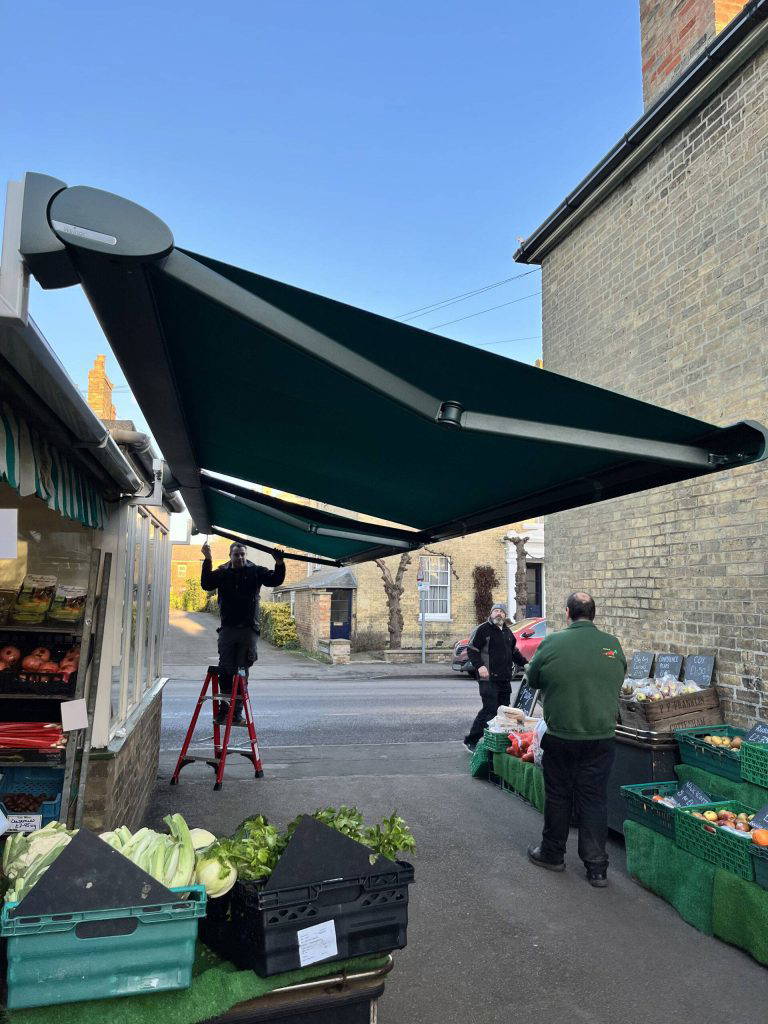
Because Accurate Quotations Require Accurate Information This is one of the most common questions we’re asked. Many homeowners understandably want a fixed price before arranging a survey. Where possible, we’re always happy to provide guidance and indicative costs. However, providing an exact quotation without understanding the property would rarely be in anybody’s best interests. Every Installation Is Different No two properties are exactly the same. Factors that often influence recommendations and costs include: Without understanding these details, any exact figure would simply be an estimate. Construction Matters One of the biggest factors is the construction of the property itself. For example: Each may require a different installation approach. This is why construction is always assessed during a survey. Access Can Influence Installation This is something many homeowners understandably don’t consider. Questions may include: These factors can affect both planning and installation requirements. Product Selection Changes Everything A customer may initially enquire about a traditional awning. After discussing how they use the space, they may discover: could better suit their objectives. This is why recommendations are often made after understanding the project fully. We Prefer Facts Over Assumptions It would be easy for us to provide rough figures without visiting. The problem is that rough figures often lead to misunderstandings later. We prefer to: This results in better outcomes for everybody involved. The Survey Isn’t Just About Pricing Many people assume the survey exists purely to generate a quotation. In reality, it’s much more than that. The survey allows us to understand: Only once we understand these factors can meaningful recommendations be made. Honest Advice Matters We’ve always believed customers deserve realistic information. Sometimes that means saying: “We need to see the property first.” It’s not about making things difficult. It’s about making sure the advice we provide is accurate. The Result? And ultimately a solution that genuinely suits your home and how you’d like to use your outdoor space. Ready To Explore The Possibilities? If you’re considering an awning, pergola or outdoor living solution, we’d be delighted to discuss your project. We’ll assess the property, understand your objectives and provide recommendations tailored specifically to your home. No pressure. No obligation. Just honest advice and clear information.
CAN AN AWNING BE INSTALLED ON A RENDERED HOUSE?
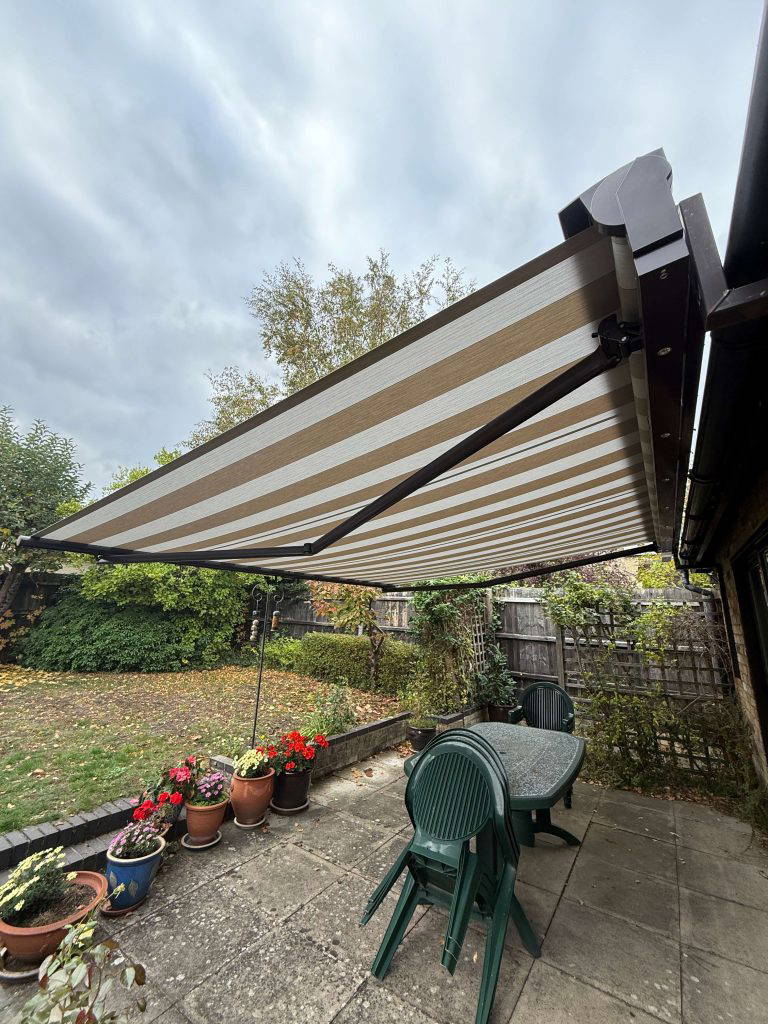
The Short Answer Is Yes – But The Render Isn’t The Important Part One of the most common questions we’re asked is: “Can an awning be installed on a rendered property?” In most cases, the answer is yes. However, the most important factor isn’t actually the render itself. It’s what sits behind it. Not All Rendered Properties Are The Same From the outside, two rendered houses may appear almost identical. Behind the render, however, the construction may be completely different. For example: Each may require a different installation approach. This is why a survey is always important. Why Construction Matters Modern awnings can be substantial structures. When fully extended, significant forces are transferred back into the building. Before recommending any installation, we need to understand: This allows us to recommend a safe and suitable installation method. Why We Don’t Give Instant Answers Occasionally somebody will send us a photograph and ask: “Can an awning go here?” The honest answer is: “Possibly, but we’d need to understand more about the wall construction first.” Good recommendations are based on facts rather than assumptions. Sometimes A Different Solution May Be Better Depending on the construction, there may be occasions where we discuss alternatives. For example: Because these systems use front supports, loads are distributed differently and may offer advantages in certain situations. Modern Insulated Render Systems Many newer properties use insulated render systems rather than traditional masonry construction. These properties can still often accommodate outdoor living solutions, but they require careful assessment and appropriate fixing methods. This is one reason why site surveys remain so important. Every Property Is Different One of the biggest mistakes within our industry is assuming every property is the same. It isn’t. Even houses that appear identical from the outside can have completely different construction methods. That’s why we always assess the property before making recommendations. What Happens During The Survey? During a survey we’ll assess: The objective is to recommend a solution that performs well and remains reliable long-term. The Good News The vast majority of rendered properties can successfully accommodate awnings or outdoor living systems. The key is understanding the construction before making assumptions. Once we’ve assessed the property, we’ll explain the available options and recommend what we believe is the most suitable solution. Thinking About An Awning For A Rendered Property? If you’re unsure whether your home is suitable, don’t worry. That’s exactly what the survey process is designed to determine. We’ll assess the property, explain any considerations and help you explore the available options. No pressure. No obligation. Just honest advice based on your property and requirements.
HOW TO CHOOSE THE RIGHT AWNING FOR YOUR HOME
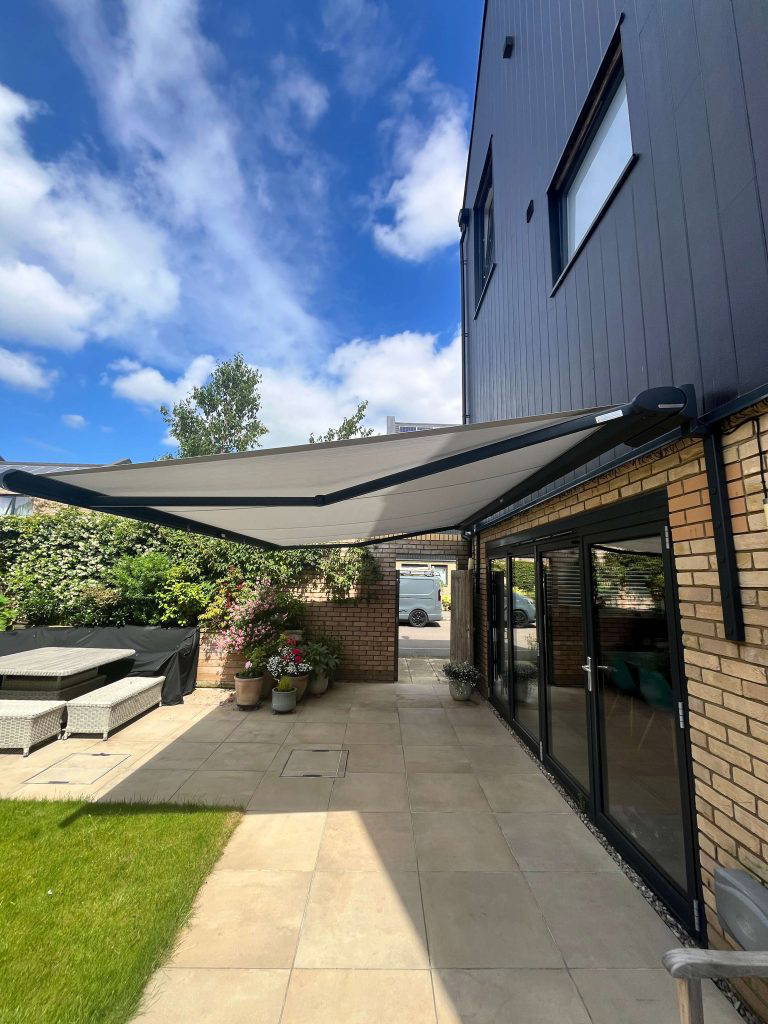
If You’re Feeling Slightly Overwhelmed, You’re Not Alone If you’ve started researching awnings, you’ve probably already discovered there are countless options available. It’s no surprise many homeowners feel unsure where to begin. The good news is that choosing the right awning is usually much simpler than it first appears. The secret isn’t choosing the most expensive awning. It’s choosing the right awning for the way you want to use your outdoor space. That’s exactly what we’ll help you do. Start With How You Use The Space One of the first questions we’ll ask during a survey isn’t: “Which awning would you like?” Instead, we’ll ask: “How do you use the space?” The answer often tells us far more than any product brochure ever could. For example: Family Dining If you regularly eat outdoors with family and friends, creating comfortable shade over the dining area may be your highest priority. Entertaining If you enjoy hosting guests, larger coverage areas, lighting and weather protection may become more important. Relaxation If you’re simply looking for a comfortable place to sit and enjoy your garden, a different approach may be more suitable. Keeping Your Home Cooler Many homeowners are surprised by how effective an awning can be at reducing solar heat entering through large glazed doors and windows. The more we understand how you use the space, the better our recommendations become. Understanding The Sun One of the most overlooked factors when choosing an awning is the direction your property faces. A south-facing patio behaves very differently to a west-facing garden. You may need protection from strong midday sun. Or you may be trying to block low evening sunlight entering your home. Understanding how sunlight moves across your property helps determine: The goal isn’t simply creating shade. It’s creating shade where you need it. Bigger Isn’t Always Better Many people assume the largest awning must automatically be the best choice. Sometimes that’s true. Sometimes it isn’t. A larger awning provides greater coverage, but it may also affect aesthetics, budget and the overall balance of the property. We’ll help you find the right balance between appearance, practicality and performance. Think About More Than Sunshine Most people start looking at awnings because of the sun. However, it’s worth considering other factors too. Questions we often discuss include: These conversations help ensure you’re choosing a system that suits your environment as well as your lifestyle. Choosing The Right Product Every property is different. That’s why we work with a range of Weinor systems. Depending on your requirements, we may discuss: Cassita II Ideal for contemporary properties where appearance is important. Opal Design II Excellent for larger installations requiring greater flexibility. Kubata Modern styling with strong architectural appeal. Topas II A versatile all-rounder suitable for a wide variety of applications. Semina Life A practical solution focused on everyday outdoor living. The aim isn’t to make you an awning expert. The aim is to help you choose the right solution for your home. Sometimes An Awning Isn’t The Best Answer This may sound unusual coming from an awning company. However, there are occasions where a traditional folding-arm awning may not represent the best solution. Depending on your property and objectives, we may also discuss: Our role isn’t to sell a particular product. Our role is to help you create the outdoor space you’re trying to achieve. Our Advice Most importantly, focus on what you want the finished space to feel like rather than becoming overwhelmed by technical specifications. The products are important. But the outcome is what matters most. Ready To Explore The Possibilities? If you’re still unsure which solution might work best, that’s perfectly normal. Most people are at the beginning of the process when they first contact us. We’ll take the time to understand your property, answer your questions and provide honest recommendations based on how you’d like to use your outdoor space. No pressure. No obligation. Just practical advice and the opportunity to discover what’s possible.
Thinking of Buying a Garden Umbrella? Why a Patio Awning is a Smarter Investment
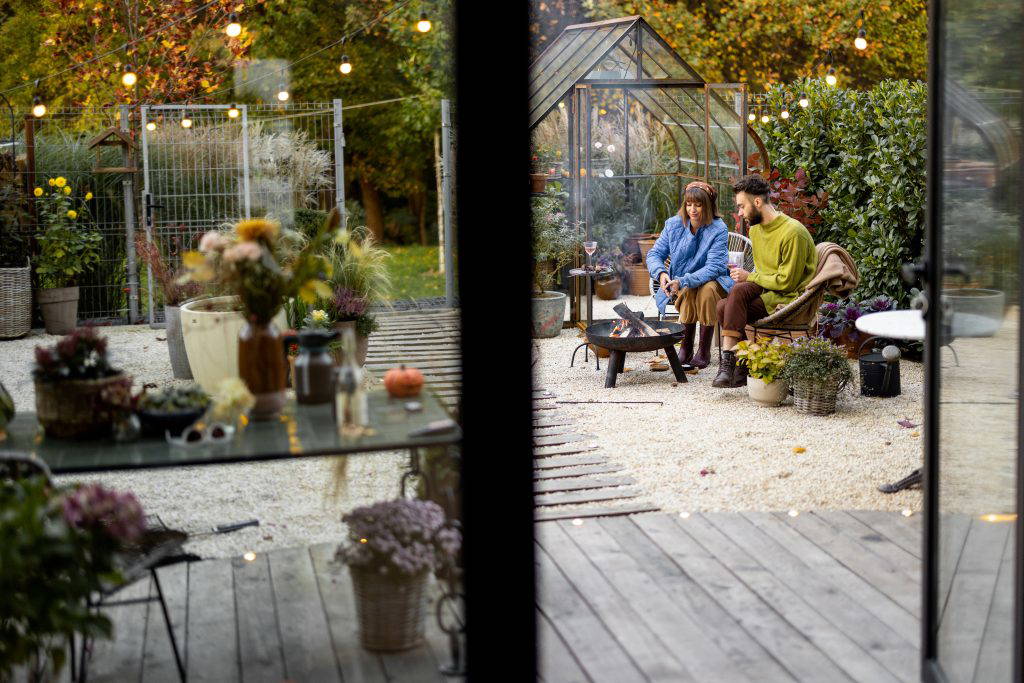
When the sun starts shining, the family wants to spend more time outdoors, and finding a suitable shading solution becomes essential. For many homeowners, the first thought is to buy a parasol. They’re simple, affordable and easy to assemble. However, it’s worth considering whether a patio awning could be a far better long-term investment. While parasols offer temporary shade, garden awnings offer durability, comfort, and long-term value for outdoor spaces. For homeowners who want to create an area that feels like an extension of their home rather than a quick fix, patio awnings stand out as the smarter choice. Parasols: A Short-Term Solution Parasols are popular because they’re easy to buy and quick to set up. They come in different colours and sizes, and they’re easy to move around the garden. On the surface, they seem practical. However, parasols also come with several drawbacks. They often provide only limited shade, so they need to be repositioned constantly as the sun moves across the sky. They can be unstable in windy conditions and may need to be taken down regularly. Over time, fabrics fade, frames weaken, and bases crack or become unsteady. What starts as a low-cost option can quickly turn into repeated replacements. For homeowners looking for something more permanent, stylish, and reliable, patio awnings offer far greater flexibility. More Shade, More Comfort One of the biggest advantages of garden awnings is the amount of coverage they provide. A parasol typically shades a small area directly beneath it. Whereas a patio awning extends from the home, creating a large, consistent shaded space. This makes a big difference for homes with large bi-fold doors that open onto a patio, which want to make the most of the patio space without being restricted to a small shaded area. A properly fitted awning creates a defined outdoor living area. It feels structured and intentional, rather than temporary. With an awning, homeowners can enjoy their garden without constantly adjusting a parasol or worrying about whether there’s enough shade for everyone. Built to Handle British Weather The British weather is unpredictable. A calm sunny morning can quickly turn breezy in the afternoon. Parasols are lightweight by design, which makes them vulnerable to wind. Many of us have experienced a parasol tipping over, bending, or even lifting off completely. This not only damages the parasol but can also pose a safety risk for those around it. A retractable patio awning is securely fixed to the property, providing far greater stability. Designed for outdoor use, a quality awning is built to withstand changing weather conditions. If stronger winds are forecast, retractable systems allow users to fold the awning neatly away, protecting it and extending its lifespan. This flexibility is something a parasol simply cannot offer. A Smarter Long-Term Investment At first glance, a parasol appears cheaper. But it’s worth thinking about the long-term value for money. Parasols need to be replaced more often due to torn fabric, broken frames or damaged bases. When adding up the costs of multiple replacements, they can often exceed the cost of a durable awning. A high-quality patio awning is designed to last for many years. With strong frames and weather-resistant fabrics, it becomes a permanent home feature rather than a seasonal accessory. Choosing professional design installation from the experts at Cambridge Awnings ensures an awning is tailored to the space and fitted correctly, giving homeowners confidence that it will stand the test of time. Enhanced Property Appearance A parasol sits in the middle of a patio. It can clutter the space and block views from inside the home. A patio awning, on the other hand, enhances a property’s appearance. It extends neatly from the wall, complementing the architecture and outdoor layout. They can be designed to match the decor of outdoor furniture, and even include stylish spotlights, so the patio can be used well into the evening. Whether a homeowner prefers a contemporary or more traditional finish, an awning adds visual appeal. It’s not just about creating shade; an awning is an investment in improving the whole home’s appearance. Retractable and Motorised Convenience Technology has made patio awnings even more practical. With retractable systems, users can extend their awning when needed and close it away when they want full sunlight. This flexibility makes it much easier to manage shade throughout the day. For even greater ease, motorised options are available. With the touch of a button, an awning opens or closes smoothly. Compare that to struggling with a parasol pole or adjusting its angle every hour. Motorised patio awnings offer comfort and convenience that feels effortless. Protection for Your Home Interior Another benefit is how awnings protect a home’s interior. By shading windows and patio doors, a patio awning reduces the amount of direct sunlight entering living areas. This helps to: Keep indoor spaces cooler Reduce glare on screens Protect flooring and furniture from fading Parasols rarely provide this level of coverage because they do not extend directly from the property. A properly positioned awning acts as a shield, improving comfort both indoors and outdoors. Make the Smart Choice and Invest in an Awning If you’re thinking about buying a parasol this summer, take a moment to think about what you really want from an outdoor space. Do you want something temporary that may need replacing in a few years? Or do you want a long-term solution that adds value, comfort, and style? A patio awning offers greater coverage, improved durability, enhanced convenience, and a more polished finish. With retractable and motorised options available, it provides the flexibility that a parasol simply cannot match. For homeowners searching for patio awnings in Cambridge, Cambridge Awnings is here to help. We understand that a patio awning is more than just shade; it’s part of how the home is enjoyed. Contact us today on 07904 761404 to discuss your options and get started on a bespoke patio awning. We can guide you through the options and create a solution tailored to your home.
Faded Fabric, Rusty Frames: Obvious Signs an Awning Needs Replacing
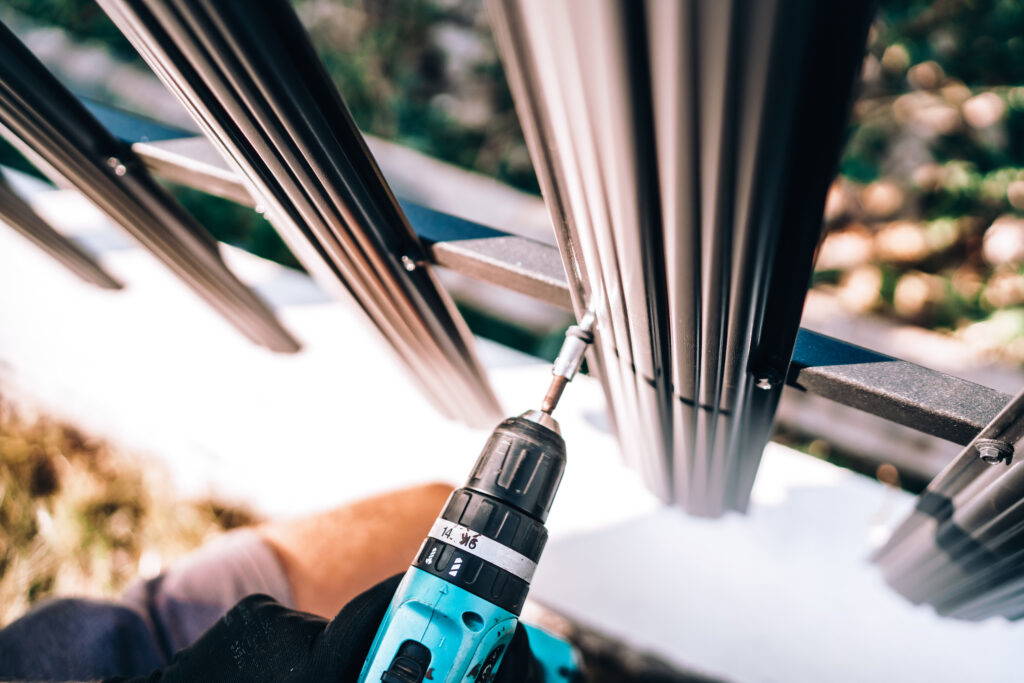
Many of us look forward to enjoying our outdoor spaces during the summer months, especially our patios and gardens. If you’re fortunate enough to have a patio awning, it’s probably one of your most-used garden accessories. However, if the awning is looking a bit worn, it may be time for an upgrade. Over time, awnings are exposed to the elements, and their fabric and frames can begin to show signs of wear and tear. Whether it’s frayed edges, rusted joints, or mechanical issues, there are clear signs that it might be time to replace an old awning. We explore the obvious signs an awning needs replacing and why Cambridge Awnings is here to help create a bespoke, long-lasting solution. Faded Fabric: Time to Bring Back the Colour One of the most obvious signs that an awning needs replacing is faded or discoloured fabric. Over time, exposure to the sun’s UV rays can cause fabrics to lose their vibrancy, leaving them looking dull and unattractive. Not only does this impact a garden’s aesthetic, but it also affects the awning’s functionality. A faded fabric often indicates the material has lost some of its protective properties, such as UV resistance or waterproofing. If a garden awning no longer provides the shade and protection it used to, it may be time to invest in a new one. At Cambridge Awnings, we offer a wide range of bespoke awnings in various colours and designs. A fresh, high-quality fabric will not only restore the look of a garden or patio but will also ensure homeowners get the full benefits of sun protection when they need it most. Damaged Frames: Structural Issues You Can’t Ignore An awning’s frame plays a vital role in its stability and durability. If the frame is starting to rust, corrode, or show signs of wear, it’s a strong indication that the whole awning needs to be replaced. Rust can weaken the structure, making it more difficult to function and posing a safety risk. Over time, the corrosion may cause the frame to bend or break, putting your awning at risk of collapse or damage. For those with retractable awnings, the mechanism can also become stuck or fail due to rust and wear. If your current frame is rusted or damaged, it’s time to upgrade to a more reliable solution. Awning Won’t Retract or Extend Properly If a retractable patio awning is no longer functioning easily and smoothly, it may well need replacing. A retractable awning relies on its mechanical system to smoothly roll in and out. If it’s stiff, difficult to operate, or gets stuck halfway, it could be due to wear and tear on the gears or fabric. It’s frustrating when a retractable awning no longer works as it should, especially during the summer months when users want to make the most of it. A new, high-quality retractable awning will restore smooth operation, allowing homeowners to enjoy their garden hassle-free. Visible Tears or Holes in the Fabric Tears or holes in the fabric of an awning are not only unsightly but also compromise the awning’s protective function. Holes in the fabric can let in sunlight, rain, and wind, reducing the awning’s effectiveness and exposing you to the elements. Whether caused by weather conditions, direct damage from tree branches, or general wear, a damaged fabric is a sign that the awning has seen better days. While minor tears may be repairable, larger or numerous holes often indicate that replacement is the best option. A fresh, new fabric will improve both the appearance and performance of a garden awning, ensuring it provides the right protection for years to come. Why Choose Cambridge Awnings? When replacing a patio or garden awning, homeowners want to invest in a quality product that will last. At Cambridge Awnings, we offer bespoke awnings tailored to your space, ensuring an ideal fit and maximum functionality. Here’s why we are the ideal choice for a new awning: Tailored to Your Space We understand that every home is unique, and so are its outdoor spaces. Our awnings span from entry-level to top of the range, and are expertly measured to fit the specific dimensions of your conservatory, patio, or garden. Whether you have a small patio or a large sun terrace, we’ll ensure a new awning complements the space perfectly. Durability and Quality Our new awnings are built to withstand the elements. We use high-quality, weather-resistant materials to ensure that every awning remains functional and attractive for years. With our durable frames and fabrics, there’s no need to worry about fading, rust, or mechanical failure; some simple at-home maintenance is all they need to stay functional and looking stylish. Expert Installation We not only help homeowners choose the right style and design for their home but also ensure the awning is expertly installed. We take care of everything from measuring the space to fitting the awning securely, giving homeowners peace of mind that the job will be done right the first time. Wide Range of Options From retractable awnings to fixed garden awnings, we offer a wide range of styles, colours, and designs to suit our customers’ needs. Whether you prefer a sleek, modern look or a more traditional style, we can help find the ideal match for your home and lifestyle. Time for a New Awning? Speak to Cambridge Awnings If a garden awning is showing signs of wear, it may be time for an upgrade. A poor awning not only looks bad but can also pose a safety risk to users. A new patio awning from Cambridge Awnings can instantly brighten the space and allow everyone to enjoy the pleasant summer weather all season long. Whether you’re looking for a retractable awning to create a shaded spot on your patio or a large awning for a sun terrace, we’ve got you covered. At Cambridge Awnings, we pride ourselves on supplying and installing high-quality, durable awnings tailored to your space, so you can enjoy the outdoors
A Homeowner’s Guide to Post-Winter Awning Maintenance
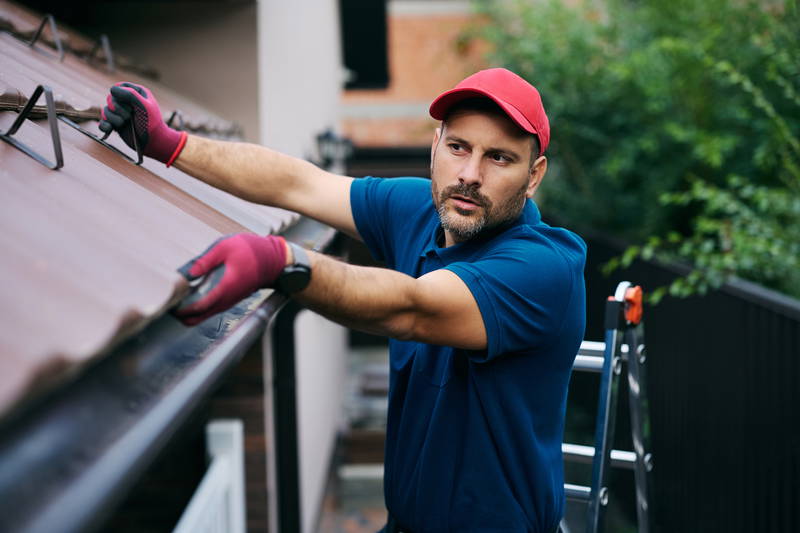
Many homeowners love spending time in their gardens, especially during pleasant summer weather, and those with a patio awning enjoy the added protection it provides against harsh weather. But during the winter months, awnings are folded and stored, ready to be brought out again the following spring. But what many homeowners fail to recognise is the signs that their awning has deteriorated during months in storage, and a damaged or broken awning can be dangerous and expensive to repair. Below is a step-by-step guide to inspecting a garden awning before putting it back up this year, and when it’s best to cut your losses and invest in a new, structurally sound awning from the experts at Cambridge Awnings. Look for Visible Damage to the Fabric The first thing to inspect when preparing a patio awning for use again is the fabric. Over time, even the best-quality garden awnings can start to show signs of wear and tear from exposure to the elements. When inspecting the fabric, look for: Tears or Rips Awnings are often subjected to strong winds or heavy snow, which can cause the fabric to rip or tear. Even a small tear can worsen quickly and render the awning ineffective. If there are any tears, it’s important to assess the extent of the damage. Small holes might be repairable, but larger ones could require replacement. Fading and Discolouration UV rays from the sun can cause fabrics to fade over time, even when the awning is stored away. If the fabric has lost its original colour or become significantly faded, it may be a sign of long-term wear, making the fabric brittle and more prone to damage. Water Damage or Mould If an awning fabric has absorbed moisture during storage, it might have dark spots or stains. Water stains, mould, and mildew are common in areas with high humidity. These issues not only affect the appearance but can also cause the material to weaken. Cracking or Brittle Spots If an awning is made from vinyl or another synthetic material, look out for any spots that have become brittle or cracked. These areas are vulnerable to tearing and may need replacement. If the fabric has suffered significant damage, it’s often better to replace it rather than attempt repairs, as patched areas may not hold up well under repeated use. Inspect the Frame and Structure for Weakness The frame is the backbone of the awning, and any issues with its integrity could lead to serious problems once the awning is up and in use. Look for the following signs of wear: Rust or Corrosion Metal frames, especially in older models, are susceptible to rust and corrosion, particularly if the awning has been exposed to moisture. Inspect the entire frame for any signs of rust. Rust weakens the metal and can make the structure brittle, leading to breakage or collapse. Bending or Warping Extreme weather conditions, including snow and high winds, can cause the frame to bend or warp. Check that the frame is straight and aligned properly. Even a small bend can affect its mechanisms and make it unsafe to use. Loose or Missing Bolts Over time, the bolts and screws that hold the frame together can loosen or even fall out. This can destabilise the awning and lead to further damage. If any bolts are loose or missing, replace them before reinstallation to keep the awning safe and functional. Cracks or Structural Weaknesses Examine the frame closely for any visible cracks, especially around the joints and hinges. If the frame shows signs of significant structural damage, it may not be safe to continue using it. If the frame has significant damage or is showing signs of weakening, it’s often safer to replace the awning or the frame entirely rather than risk further deterioration. Check the Mechanism: Retractable or Fixed Whether an awning is retractable or fixed, the mechanism that opens and closes it is essential. For retractable awnings, the mechanism is even more important as it allows users to extend or retract the awning as needed. It’s important to check the following: Smooth Operation Open and close the awning a few times to check that the mechanism runs smoothly. If the awning is retractable, check whether the motor or manual crank works smoothly. If the awning sticks or jams, there may be an issue with the motor or mechanism that requires repair or replacement. Unusual Noises Listen for any strange noises when operating the awning. Squeaking, grinding, or rattling sounds could indicate mechanical issues, such as worn-out gears or loose parts, that need attention. Spring Tension Issues Retractable awnings rely on spring tension to maintain the correct tautness. If the awning sags or struggles to stay extended, it may indicate a problem with the spring tension, which may require a professional to adjust or replace it. If the mechanism isn’t working as it should or appears to be malfunctioning, it’s worth getting it inspected or replaced to avoid more serious issues in the future. Evaluate the Condition of the Awning’s Supports The supports that hold up an awning are just as important as the frame. Without stable supports, the entire structure can become unsafe for use. When inspecting the supports, check for: Stability Gently shake the supports to make sure they’re secure and properly fixed. If they feel loose or wobbly, this could be that the supports are damaged and may need tightening or replacing. We can assess this and decide the best course of action. Rust and Corrosion Just like the frame, metal supports can also rust or corrode. If there are any signs of rust or deterioration, it’s essential to replace the affected supports to maintain the awning’s overall integrity. Damage to the Brackets The brackets that hold the supports in place can become damaged or loose over time. Ensure the brackets are still securely fastened and in good condition. If there’s any damage, replacing the brackets will prevent further issues. Assess the Overall Appearance Always take
Discussing the Latest Awning Trends For 2026
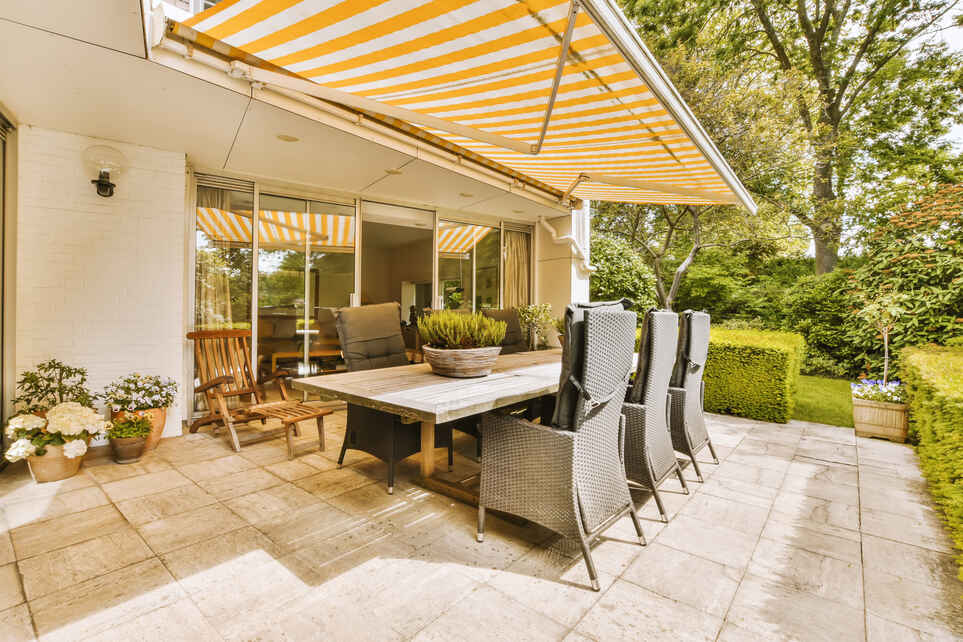
As more homeowners embrace outdoor living, awnings are becoming a key feature in garden design. A simple addition that protects users from the sun whilst still enjoying the outdoors, awnings are a simple solution that extends the living area of any home. Thankfully, awning technology has evolved significantly over the years, and the days of awkward manual crank mechanisms that could break or rust are gone. There are now several options available to suit every lifestyle and budget. Let’s explore the latest trends in garden awnings and how every homeowner can benefit from this stylish addition to their home and garden. The Rise of Patio Awnings: A Classic with a Modern Twist Patio awnings are a timeless addition that provides the ideal balance between practicality and aesthetics. They create a comfortable space where homeowners can enjoy their patio year-round, whether it’s for dining, relaxation, or entertaining guests. Patio awnings have evolved in recent years, driven by modern materials, designs, and technologies. Homeowners can now choose from more durable fabrics that offer enhanced weather resistance, ensuring longevity. Eco-friendly fabrics are increasingly common, offering sustainable options and long-lasting durability. These new materials and designs combine comfort and practicality, giving homeowners a reliable solution for sun protection and a cool, shaded space to enjoy during summer. Cost Effect Shading Solution With summer comes sunny days, warm weather, and more time spent outdoors. After investing in a new patio and high quality garden furniture, many homeowners are left wondering how to enjoy their space when the weather gets too warm. A patio awning is a great solution. They’re sturdier than a parasol whilst remaining cost-effective and usable year after year. With a permanent awning in place, users can enjoy their garden more frequently, taking advantage of pleasant weather and fresh air whilst avoiding the harmful effects of sun exposure. Pergola Awnings: Blending Architecture with Outdoor Living While patio awnings remain a classic choice, pergola awnings are also gaining popularity. These awnings combine the elegance of a stunning pergola with the option to add shade, creating a beautiful and practical outdoor space. Pergola awnings are well-suited to larger gardens, patios, or decking areas, providing an additional layer of shelter that is ideal for both sunny and rainy days. Pergola awnings are an ideal focal point for any garden, providing a stylish and functional space for relaxation, dining, or entertaining. With their open-sided design, they allow natural light to filter through while still providing protection from the sun, making them ideal for year-round outdoor enjoyment. The Convenience of Electric Awnings Electric awnings have become a game-changer in outdoor living. Offering unmatched convenience, electric patio awnings are controlled by a simple remote or smartphone app, making it easier than ever to enjoy an outdoor space. The convenience of electric awnings lies in the greater control they offer compared to manual options. Users can program their electric awning to extend or retract at set times of day, ensuring their outdoor space is always at the ideal temperature. Awnings as Part of Your Smart Home Setup As part of the ongoing trend toward smart homes, smart awnings are becoming an essential addition for homeowners who want to streamline their outdoor living experience. With integrations with popular systems like Google Home and Amazon Alexa, these awnings let users control the shade and lighting in their garden with voice commands or their smartphones. This trend toward automation enables homeowners to seamlessly integrate their patio awnings into their home environment, further improving daily living by making their outdoor space even more enjoyable. Lighting and Atmosphere: Enhancing Your Outdoor Space The integration of lighting to enhance a garden’s atmosphere is also a growing trend in 2026. Adding LED lighting to an awning improves visibility in the evening and creates a relaxing ambience, extending outdoor living hours. LED strip lights integrated into the awning frame are a popular choice, providing soft, even lighting ideal for dinner parties or evening relaxation. Some homeowners are opting for colour-changing LEDs, which can be adjusted to suit different moods or occasions. Under-awning lighting can also highlight the outdoor furniture and décor, making the space feel more inviting and stylish. Adding lighting to an awning transforms the outdoor space, making it ideal for evening entertainment or quiet relaxation under the stars. When paired with smart controls, the lighting can even be automated to turn on at sunset or when the awning is extended. The Importance of Expert Design and Installation When investing in a new awning, it’s important to work with a team of experts to ensure that it not only looks great but also functions well for years to come. At Cambridge Awnings, we specialise in tailoring designs that seamlessly complement a home and meet our customers’ specific needs. Expert design and installation are crucial to an awning’s lifespan. We complete every installation with precision and care, ensuring the awning is ready in time for the summer months and provides reliable shade and protection whenever you need it. Preparing for Summer with the Latest Awning Trends Overall, garden awnings have evolved in recent years to better meet the needs of modern homeowners. From sleek patio awnings and architectural pergola awnings to innovative electric awnings, there are more options than ever to enhance an outdoor space. Add smart lighting or heaters, and you have a solution that makes the garden the ideal spot to relax and entertain, day or night. At Cambridge Awnings, we can help you every step of the way. Whether you’re looking for a simple patio awning or a fully integrated smart awning system, we can help. Contact us today on 07904 761404 or by emailing sales@cambridge-awnings.co.uk to discuss how we can help you prepare your outdoor space for summer with the latest in awning design and technology.