
BECKER VS SOMFY – WHAT’S THE DIFFERENCE?
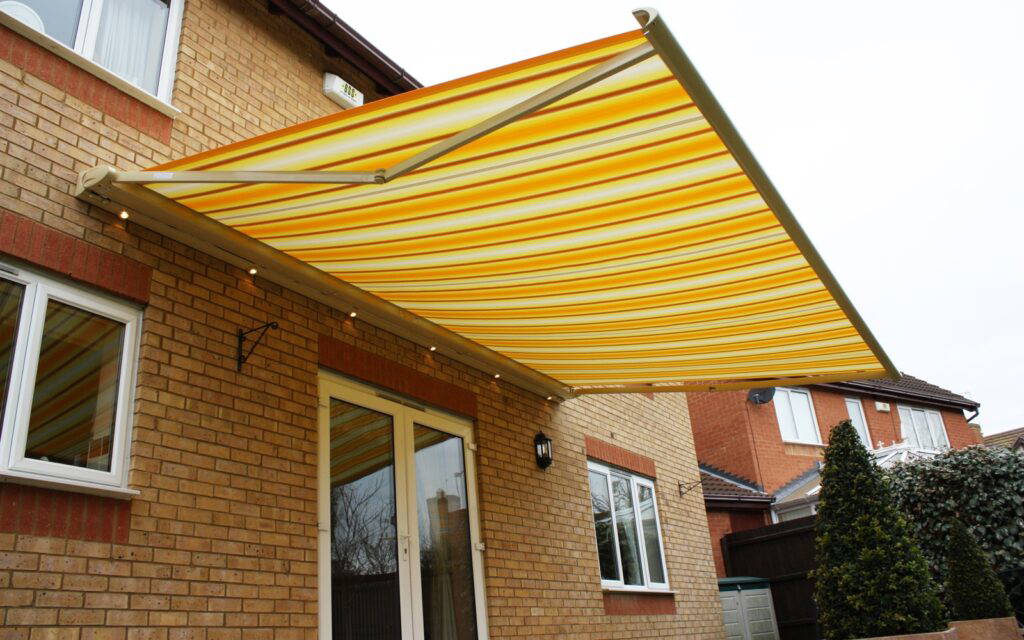
One Of The Most Common Automation Questions When customers begin exploring motorised awnings and outdoor living systems, one question often arises: “Should I choose Becker or Somfy?” The honest answer is that both manufacturers produce excellent automation systems. The more important question is often: “Which system best suits my requirements?” Why Automation Matters Modern outdoor living systems are designed to be easy and enjoyable to use. Automation can help provide: Whether you’re operating an awning, lighting or weather sensors, the objective is always the same. Make outdoor living easier. Who Are Becker? Becker is a German manufacturer with a long-standing reputation for producing high-quality motors and control systems. They are widely respected throughout the shading industry and are often chosen for: Who Are Somfy? Somfy is one of the most recognised automation brands in the world. Their systems are used across a wide range of products including: Many homeowners are already familiar with the Somfy name before they begin researching awnings. Which One Is Better? This is where the answer becomes slightly more interesting. In reality: Both Are Excellent Neither system is universally “better.” Instead, each offers different features, capabilities and integration possibilities. The right choice depends on: Reliability Matters More Than Marketing When selecting automation, we focus on: These factors are usually far more important than brand names alone. Think About The User Experience Most customers simply want to: The technology should support that experience rather than complicate it. The best automation is often the automation you barely need to think about. What About Smart Homes? Both Becker and Somfy offer integration possibilities depending on the chosen system. If smart home integration is important, we’ll discuss the available options during the survey process. Our Advice Don’t become too focused on choosing a brand. Focus on choosing a solution that: Once we understand your objectives, we can recommend the most appropriate system. Ready To Explore The Options? If you’re considering automation, we’d be delighted to explain the available options and help you determine which solution best suits your requirements. No pressure. No obligation. Just honest advice and practical guidance.
Why Does Construction Matter When Installing An Awning?
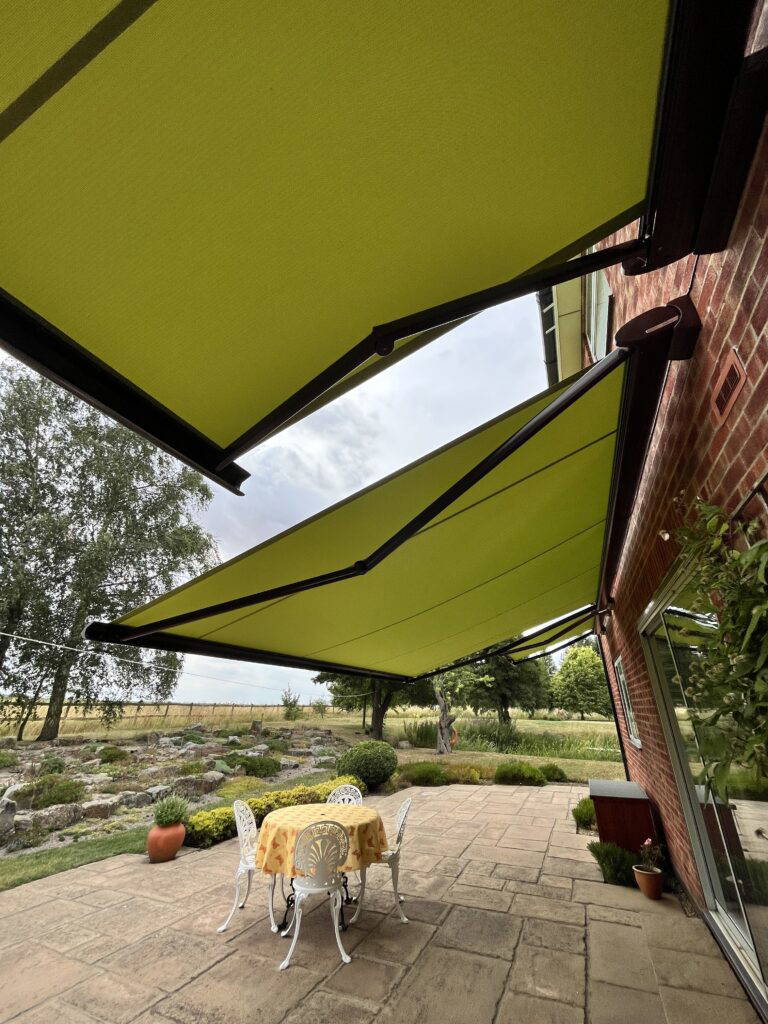
We’ve now completed the entire Installation & Property Considerations pillar. The next pillar I would tackle is: AUTOMATION & CONTROLS Starting with: Those are all real customer questions and very strong authority-building content.
WHY DOES CONSTRUCTION MATTER WHEN INSTALLING AN AWNING?
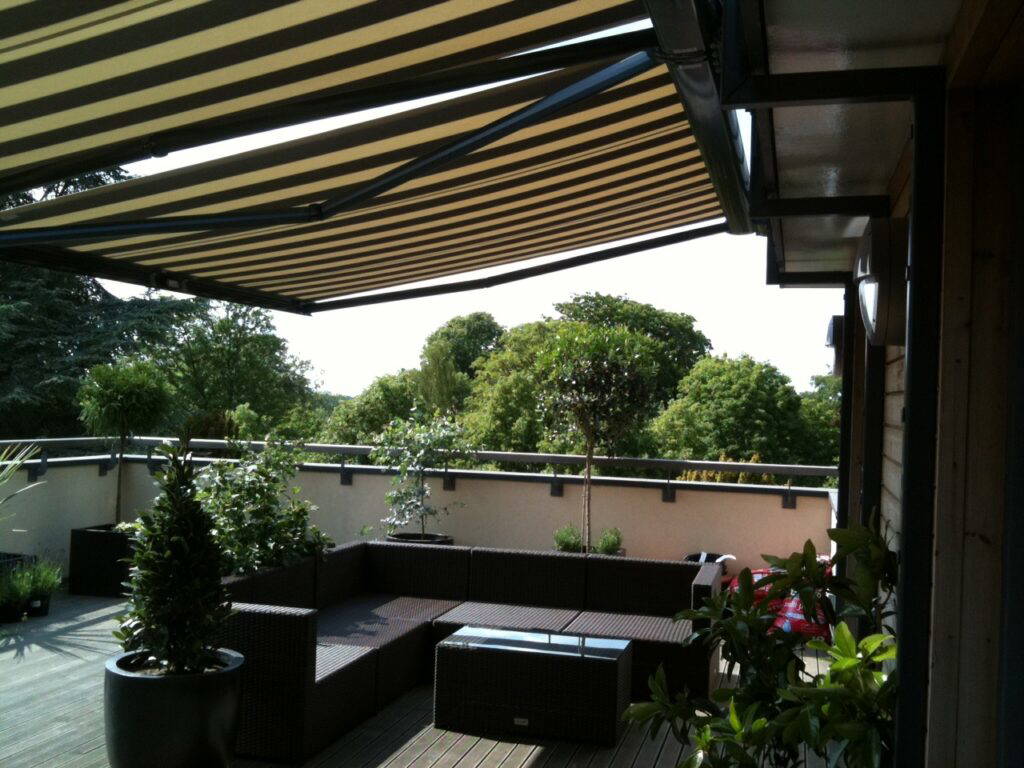
One Of The Most Important Questions Most Homeowners Never Think To Ask When people start looking for an awning, they naturally focus on things like: What they rarely ask is: “How will the property support it?” Yet this is one of the most important parts of any installation. Every Property Is Different One of the biggest misconceptions within our industry is that all houses are built the same way. They aren’t. Even two properties that look identical from the outside may have completely different construction methods behind the walls. Examples include: This is why understanding the building is so important. The Awning Doesn’t Just Hang On The Wall A modern awning is a substantial piece of engineering. When fully extended, forces are transferred back into the property. Those forces need to be managed correctly. The objective isn’t simply attaching an awning to a wall. The objective is creating a safe, reliable installation that performs well for many years. Why Surveys Matter Photographs are helpful. Measurements are helpful. However, neither tells the full story. During a survey we assess: This information allows us to make recommendations based on facts rather than assumptions. The Same Product May Require Different Installations A common misconception is that every Cassita, Opal or Kubata is installed the same way. In reality, installation methods can vary significantly depending on the property. The awning may remain the same. The installation approach may not. This is why professional surveys remain such an important part of the process. Modern Homes Present Different Challenges Many modern homes use construction methods that differ significantly from older properties. Examples may include: These properties can often accommodate awnings successfully, but they require understanding and planning. Why We Sometimes Recommend Alternative Solutions Occasionally the most suitable answer isn’t a traditional folding-arm awning. Depending on the property and the customer’s objectives, we may discuss: These systems distribute loads differently and may offer additional flexibility in certain situations. Construction Influences More Than Installation Understanding the property helps influence: This is one reason surveys are so valuable. Most Homeowners Don’t Need To Worry About The Technical Details The good news is that you don’t need to become a construction expert. That’s our job. We’ll assess the property, explain any relevant considerations and recommend solutions tailored to your home. The Real Benefit Of Understanding Construction The objective isn’t simply achieving an installation. The objective is achieving the right installation. One that: Our Advice When choosing an awning company, don’t just ask about products. Ask how they assess the property. Ask how they determine installation methods. Ask how they ensure recommendations are appropriate for the building. Those conversations often tell you far more than a product brochure ever will. Ready To Explore The Possibilities? If you’re considering an awning, pergola or outdoor living solution, we’d be delighted to discuss your project. We’ll assess the property, explain any considerations and recommend solutions tailored specifically to your home. No pressure. No obligation. Just honest advice and practical guidance.
CAN AN AWNING BE INSTALLED ON A BALCONY?
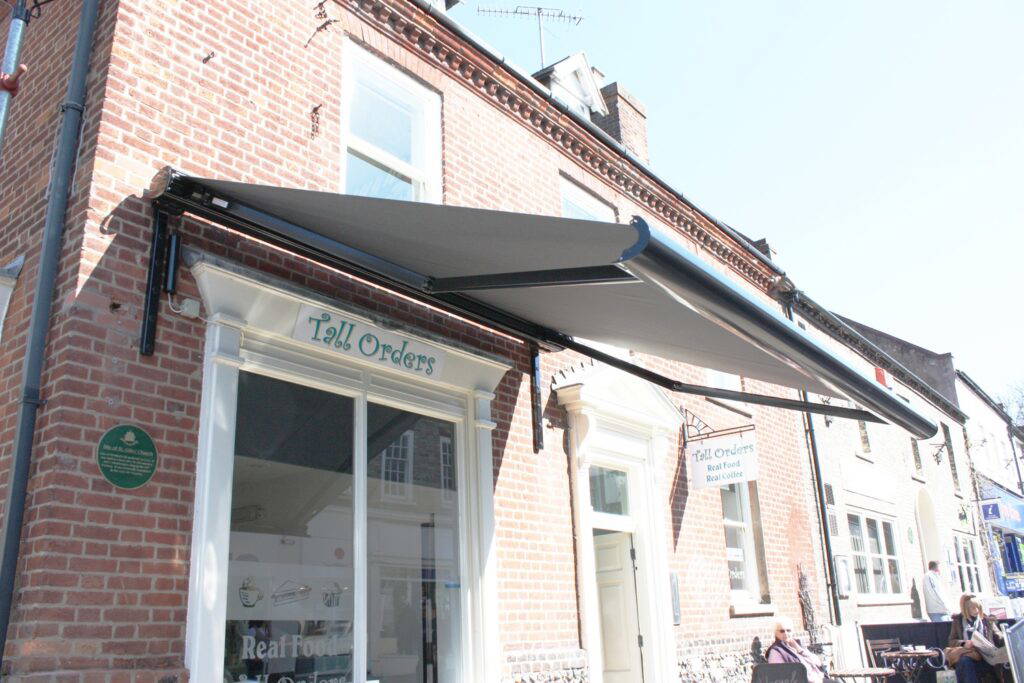
In Many Cases, Yes Balconies can be fantastic outdoor spaces. Whether used for: they provide valuable outdoor living opportunities. However, balconies are often highly exposed to: This naturally leads many homeowners to ask: “Can an awning be installed on a balcony?” In many cases, the answer is yes. Every Balcony Is Different Unlike ground-floor patios, balconies can vary significantly. Factors we assess include: This is why surveys are particularly important. Why Exposure Matters Balconies are often more exposed than ground-floor installations. This can influence: Understanding these conditions helps us recommend the most suitable solution. Creating A More Comfortable Outdoor Space Many balcony owners simply want to make the space more enjoyable. Common objectives include: An appropriate shading solution can make a significant difference. Access Considerations Every balcony presents unique access requirements. Questions may include: These are all assessed during the survey process. Alternative Solutions Depending on the balcony and the intended use of the space, we may discuss: The objective is always to recommend what best suits the property and the customer. The Good News Many balconies can successfully accommodate shading systems and outdoor living solutions. The important thing is ensuring the recommendation is based on the specific property rather than assumptions. Ready To Discuss Your Balcony Project? If you’re considering a shading solution for a balcony, we’d be delighted to help. We’ll assess the property, explain the available options and recommend solutions tailored to your requirements. No pressure. No obligation. Just honest advice and practical guidance.
CAN AN AWNING BE INSTALLED ABOVE A CONSERVATORY?
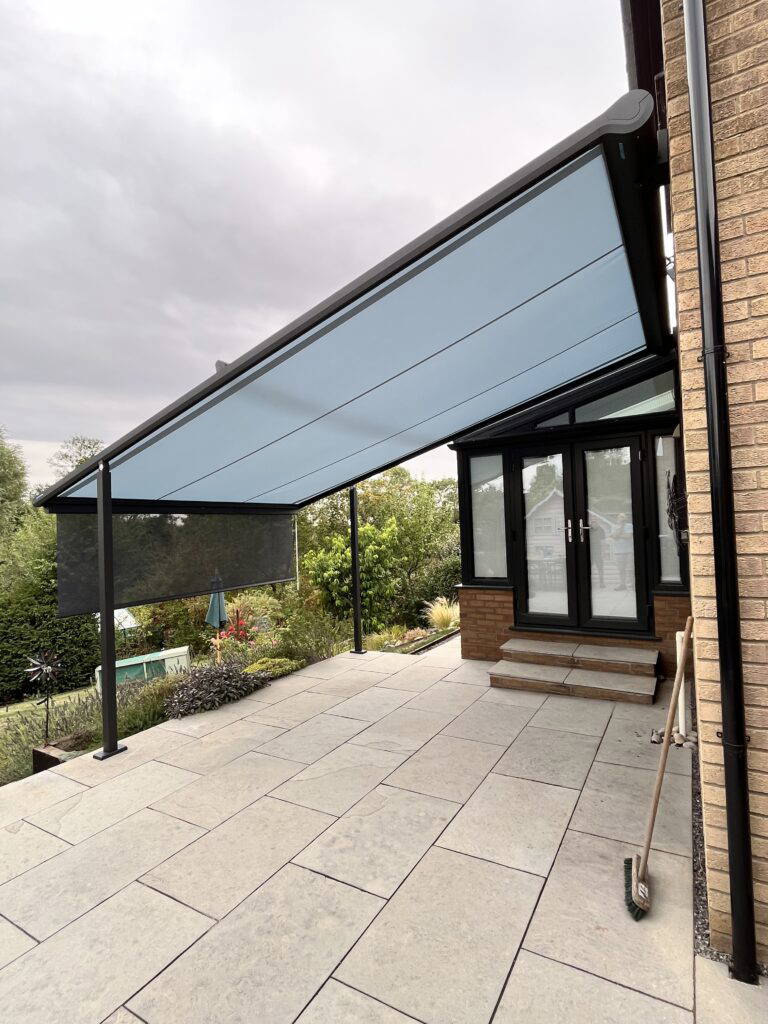
Yes – And It’s One Of The Most Effective Ways To Improve Comfort Conservatories are wonderful spaces. They provide: Unfortunately, they can also become extremely warm during sunny weather. This is one of the reasons homeowners often ask: “Can an awning be installed above a conservatory?” In many cases, yes. Why Conservatories Get So Hot The answer is simple. Glass allows sunlight into the structure. That sunlight then becomes trapped as heat. The result can be: Many homeowners find themselves avoiding the conservatory during the hottest part of the day. External Shading Works Differently One of the biggest advantages of an awning is that the sunlight is intercepted before it reaches the glass. Rather than trying to cool the conservatory after the heat has entered, the heat is reduced before it reaches the structure. This often creates a noticeable improvement in comfort. What Needs To Be Assessed? Every conservatory installation is different. Factors we consider include: These factors help determine the most appropriate solution. More Than Just The Conservatory Many customers initially enquire about cooling the conservatory. What they often discover is that an awning can also improve: The benefits frequently extend beyond the conservatory itself. Alternative Solutions Depending on the property and objectives, we may also discuss: Sometimes the best answer involves looking at the wider outdoor space rather than focusing solely on the conservatory. The Good News Many conservatory owners are surprised by how much difference external shading can make. The key is understanding the property and selecting the most appropriate solution. Ready To Explore The Options? If your conservatory becomes uncomfortable during sunny weather, we’d be delighted to discuss the available options. We’ll assess the property, explain the possibilities and recommend solutions tailored to your requirements. No pressure. No obligation. Just honest advice and practical guidance.
DO I NEED SPECIAL BRACKETS FOR AN AWNING?
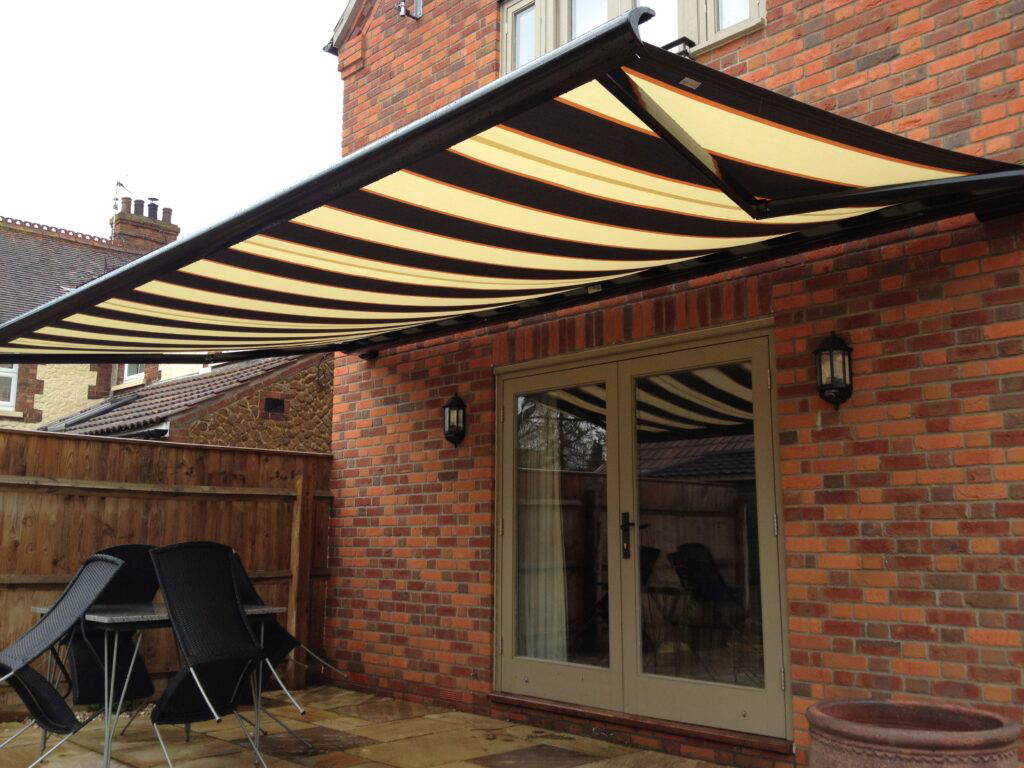
Another Very Common Survey Question Many homeowners are surprised to discover that not every awning installation uses exactly the same brackets. A common question we hear is: “Will my installation require special brackets?” The honest answer is: Sometimes And that’s perfectly normal. Why Are Brackets Important? The brackets are responsible for transferring loads from the awning into the building. In simple terms, they form the connection between: The Awning and Your Property Because every property is different, the bracket arrangement may also differ. Not Every Installation Is The Same Factors that influence bracket selection can include: This is why surveys remain such an important part of the process. Standard Brackets Many installations use standard brackets supplied by the manufacturer. These are often perfectly suitable for a wide range of residential properties. In many cases, homeowners never need to think about them again. Special Brackets Occasionally, a property may require something slightly different. Examples may include: These are simply tools that help ensure the installation is appropriate for the property. Why We Don’t Guess It would be easy to assume every property requires the same installation method. The reality is that properties vary considerably. Understanding the property first allows us to recommend the most appropriate approach rather than making assumptions. The Survey Provides The Answers During a survey we’ll assess: Only then can we determine exactly what is required. Our Advice Don’t worry about brackets. Focus on what you’re trying to achieve. Our job is to understand the property and determine the most appropriate installation method. Ready To Explore The Possibilities? If you’re considering an awning or outdoor living solution, we’d be delighted to discuss your project and answer any questions you may have. No pressure. No obligation. Just honest advice and practical guidance.
WILL INSTALLATION DAMAGE MY RENDER?
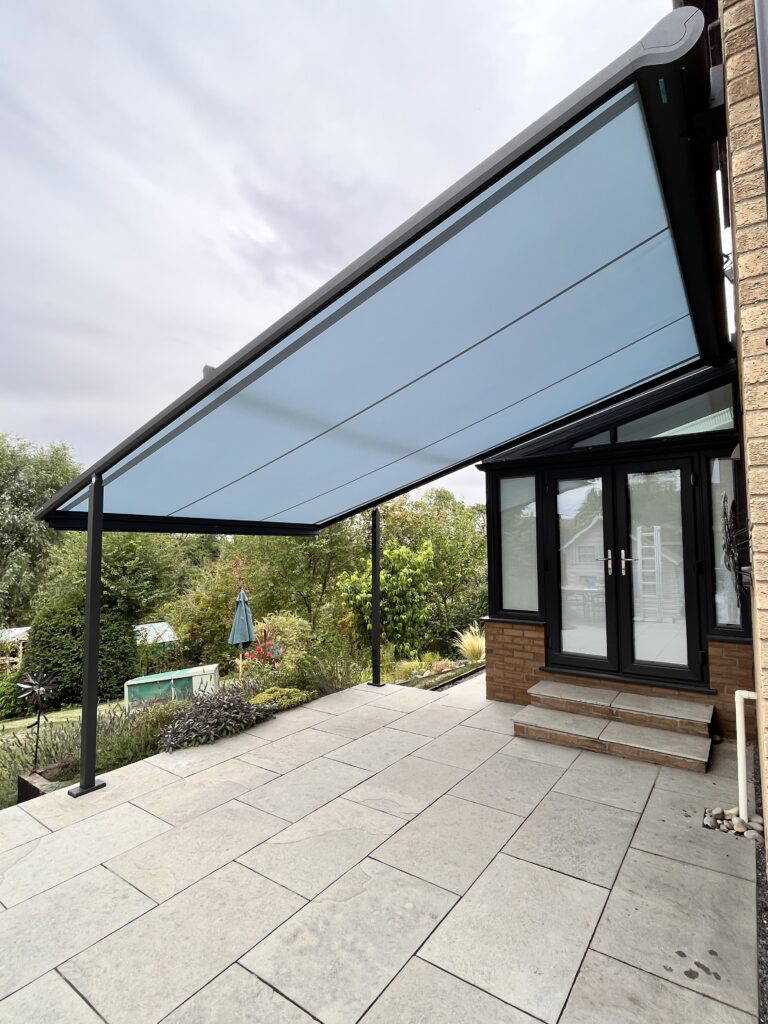
One Of The Most Common Concerns We Hear If your property has a rendered finish, it’s perfectly natural to ask: “Will installing an awning damage the render?” The short answer is: No – Not If The Installation Is Planned Correctly However, understanding the property and construction remains important. Why Homeowners Worry About Render Render often forms one of the most visible parts of a property. Many homeowners understandably worry about: These are perfectly reasonable concerns. The Render Isn’t Usually The Structural Element One of the most important things to understand is that render is often simply the outer finish. The structural support usually comes from the construction behind it. This is why we focus on understanding: rather than focusing solely on the render itself. Why Surveys Matter Every rendered property is different. During a survey we’ll assess: This allows us to recommend an appropriate installation approach. Professional Planning Makes A Difference Good installations begin long before any drilling takes place. By understanding the property properly, potential issues can usually be identified and addressed during the planning stage. This is one reason we place such importance on surveys. Modern Render Systems Some modern properties use insulated render systems rather than traditional masonry construction. These properties can often accommodate outdoor living solutions successfully, but they may require different installation approaches. Again, understanding the construction is the key. The Good News The vast majority of rendered properties can successfully accommodate awnings and outdoor living systems. The important thing is ensuring the installation is designed around the property rather than making assumptions. Our Advice If you’re concerned about your render, mention it during the survey. We’ll assess the property, explain any considerations and discuss the available options openly. We’d much rather answer questions beforehand than leave homeowners uncertain. Ready To Explore The Possibilities? If you’re considering an awning for a rendered property, we’d be delighted to help. We’ll assess the construction, explain the options and recommend solutions tailored to your home. No pressure. No obligation. Just honest advice and practical guidance.
HOW STRONG DOES THE WALL NEED TO BE?

A Question We Hear More Often Than You Might Think Many homeowners understand that awnings attach to the property. What they’re less certain about is: “How strong does the wall actually need to be?” It’s a sensible question. After all, modern awnings can be substantial systems and understanding how loads are managed is an important part of the design process. Why Wall Strength Matters When an awning is extended, forces are transferred back into the building. These forces vary depending on: This is why we always assess the structure before making recommendations. Not All Walls Are The Same Many people assume walls are simply walls. In reality, construction methods vary significantly. Examples include: Each requires a slightly different approach. Why Surveys Are Essential A photograph rarely tells the full story. The survey allows us to understand: Good recommendations rely on facts rather than assumptions. Does This Mean Some Properties Can’t Have Awnings? Not necessarily. Many properties can successfully accommodate awnings or outdoor living systems. The important thing is choosing the correct installation method and, where necessary, considering alternative solutions. Sometimes Other Solutions May Be Better Depending on the property, we may also discuss: These solutions distribute loads differently and may offer advantages in certain situations. What We Look For During a survey we’ll assess: The objective is to recommend a solution that performs safely and reliably for many years. The Good News Most homeowners don’t need to worry about the technical details. That’s our job. We’ll assess the property, explain any considerations and recommend the most appropriate solution. Ready To Discuss Your Project? If you’re considering an awning or outdoor living system, we’d be delighted to help. We’ll assess the property, explain the available options and answer any questions you may have. No pressure. No obligation. Just honest advice and practical guidance.
CAN AN AWNING BE INSTALLED ON AN EXTENSION?
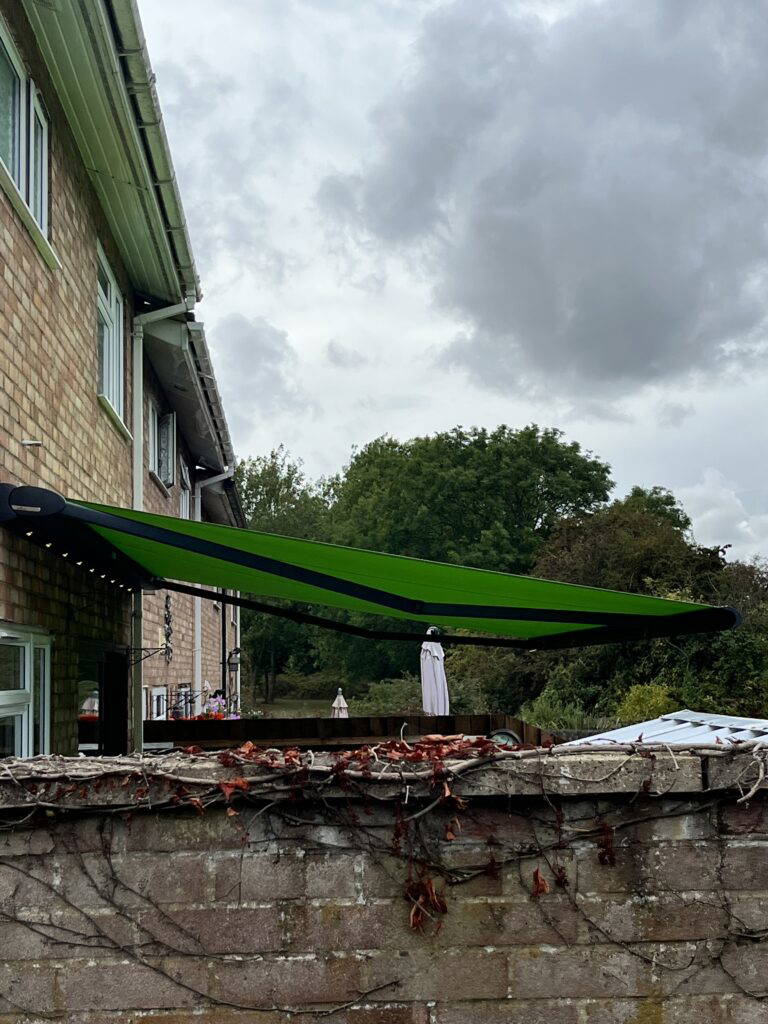
In Most Cases, Yes Many modern homes have been extended to create larger kitchens, open-plan living spaces and better connections with the garden. It’s therefore no surprise that one of the most common questions we hear is: “Can an awning be installed on an extension?” The good news is that in many cases the answer is yes. However, as with any installation, the construction of the extension needs to be properly understood first. Every Extension Is Different Extensions vary enormously. Some may be constructed using: From the outside, two extensions may appear very similar. Internally, they may be completely different. Why Construction Matters When an awning extends, significant forces are transferred back into the building. Before recommending any installation, we need to understand: This ensures the installation is both safe and reliable. Modern Extensions Often Work Very Well Many modern extensions feature: These are often ideal environments for outdoor living solutions because they naturally connect the home and garden together. The Real Question The question isn’t: “Can an awning be installed on my extension?” The better question is: “What solution will work best with my extension?” Sometimes that may be a traditional awning. Sometimes it may be: The answer depends on how you’d like to use the space. What We Assess During The Survey We’ll typically assess: This allows us to recommend the most appropriate solution. The Good News Most extensions can successfully accommodate outdoor living systems. The key is ensuring the recommendation is based on the property rather than assumptions. Ready To Explore The Possibilities? If you’re considering an awning or pergola for an extension, we’d be delighted to help. We’ll assess the property, explain the available options and recommend solutions tailored to your home. No pressure. No obligation. Just honest advice and practical guidance.
CAN AN AWNING BE INSTALLED UNDER A SOFFIT?
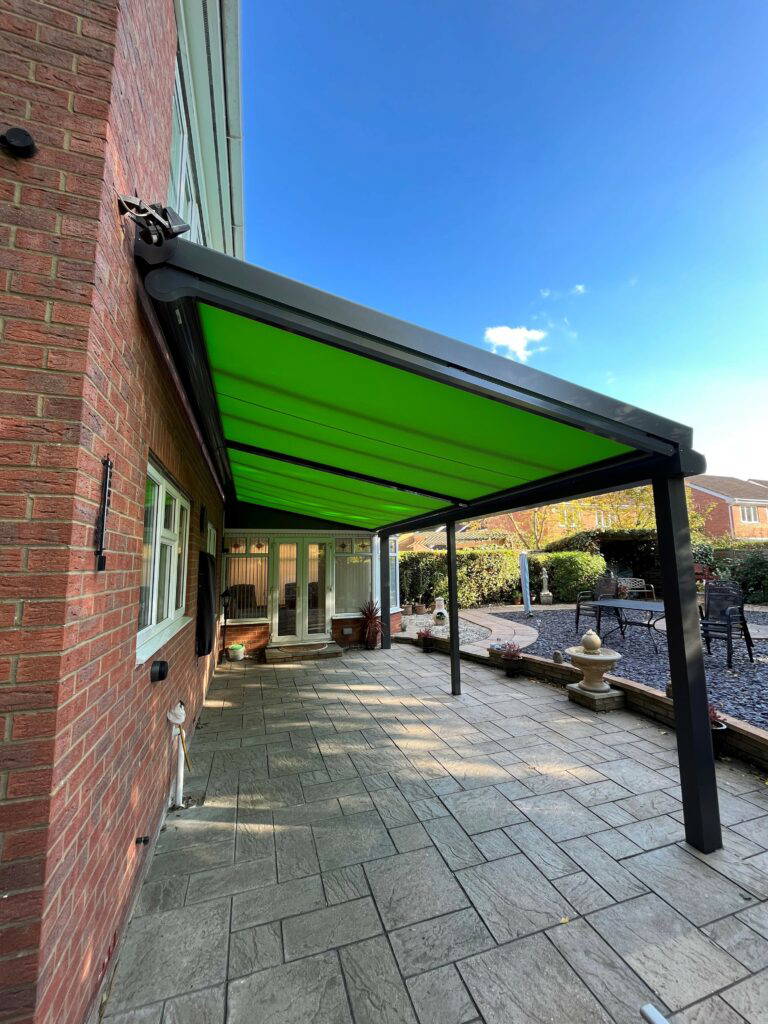
In Many Cases, Yes This is another question we’re asked regularly, particularly on modern homes and extensions. Homeowners often ask: “Can the awning be fitted underneath the soffit instead of directly onto the wall?” The answer is often yes. However, as always, the suitability depends on the property and construction. What Is A Soffit Installation? A soffit installation typically involves fixing the awning beneath an overhang or roof projection rather than directly onto the vertical wall. This can sometimes offer advantages in terms of: What Needs To Be Considered? Before recommending a soffit installation, we need to assess: The objective is always to ensure the installation remains both practical and reliable. Not Every Property Is Suitable Some properties provide excellent opportunities for soffit installation. Others may be better suited to traditional wall mounting. The correct answer depends entirely on the design of the building and the intended use of the awning. Why Surveys Matter A survey allows us to assess: Only then can meaningful recommendations be made. Sometimes Other Solutions Are Better Depending on the property, we may also discuss: The aim is always to recommend the most suitable solution rather than forcing a particular installation method. The Good News Many homes can successfully accommodate soffit-mounted awnings. The key is ensuring the property is properly assessed and the installation is designed accordingly. Ready To Discuss Your Property? If you’re considering a soffit-mounted awning, we’d be delighted to discuss the options available. We’ll assess the property, explain the possibilities and recommend the most appropriate solution. No pressure. No obligation. Just honest advice and practical guidance.