
HOW TO DRY AN AWNING CORRECTLY
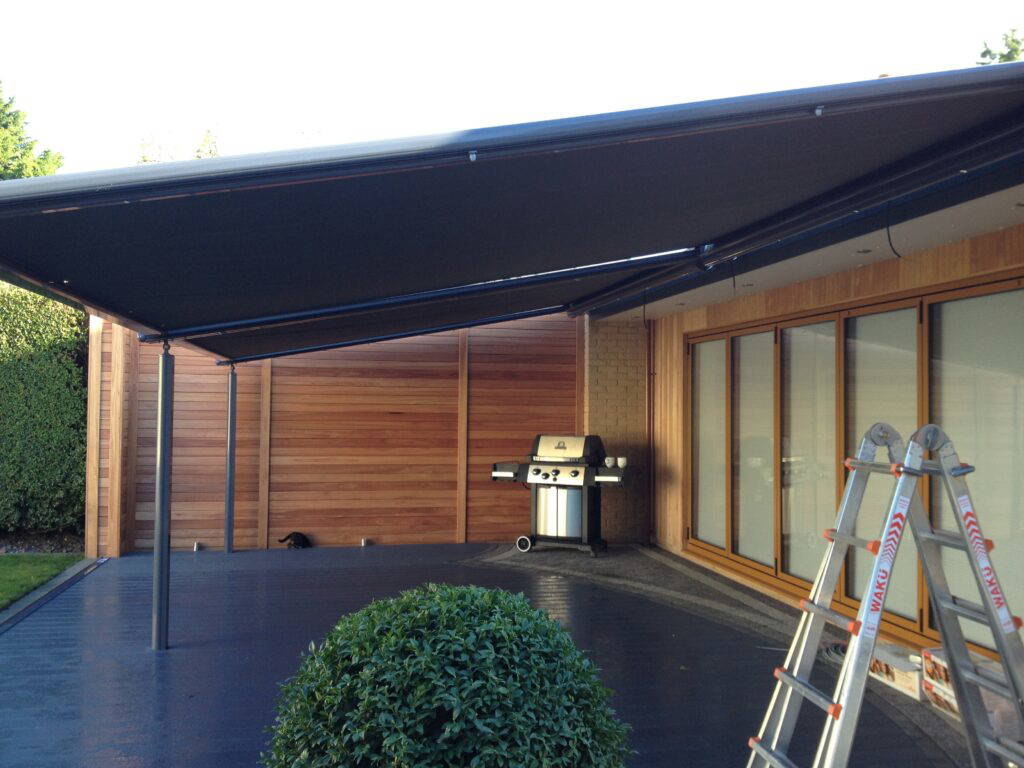
One Of The Simplest Ways To Protect Your Investment A question many homeowners ask is: “What should I do if my awning gets wet?” The answer is straightforward. Allow it to dry properly whenever practical. This simple habit can help maintain the fabric and support long-term performance. Awnings Are Designed For Outdoor Use Let’s start with some reassurance. A quality awning is designed to operate outdoors. Rain happens. Morning dew happens. Condensation happens. Getting wet occasionally is completely normal. Why Drying Matters The issue isn’t usually the rain itself. The issue is moisture remaining trapped for extended periods. Where practical, allowing the fabric to dry naturally helps reduce the risk of: What Should I Do After Rain? If the weather improves and conditions allow, simply extend the awning and allow it to dry naturally. Fresh air and natural drying are usually all that’s required. What If I Need To Retract It While Wet? Sometimes there is no alternative. Perhaps: In these situations, retracting the awning may be the correct decision. The important thing is to extend it again and allow it to dry when conditions improve. Don’t Panic Many homeowners worry if the awning has been retracted whilst damp. Occasional situations like this are not unusual. The key is avoiding moisture remaining trapped for unnecessarily long periods. A Simple Routine Many experienced awning owners follow a straightforward approach: Simple habits often provide the best results. Our Advice Think of drying the fabric as part of normal ownership. It doesn’t need to become a chore. A little attention from time to time can help maintain both appearance and performance. Need Help Or Advice? If you have questions about fabric care or awning maintenance, we’d be delighted to help. No pressure. No obligation. Just honest advice and practical guidance.
HOW TO CLEAN AWNING FABRIC
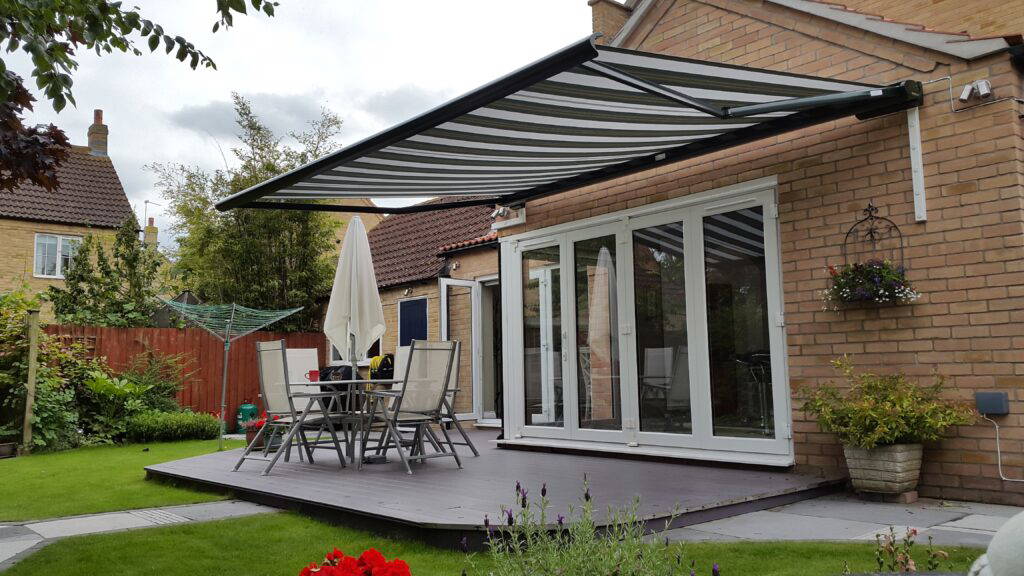
A Little Care Goes A Long Way One of the most common questions we receive from existing awning owners is: “How do I clean the fabric properly?” The good news is that modern awning fabrics are designed to be durable, attractive and easy to maintain. In most cases, keeping the fabric looking its best requires far less effort than people expect. Why Regular Cleaning Matters Over time, awning fabrics may be exposed to: Regular cleaning helps maintain both appearance and long-term performance. Start With The Gentle Approach When cleaning awning fabric, less is often more. We generally recommend starting with: Removing loose dirt before attempting deeper cleaning can often achieve excellent results. Avoid Aggressive Cleaning Many homeowners assume stronger cleaning products must produce better results. Unfortunately, this is not always the case. Harsh cleaning methods can sometimes do more harm than good. Examples include: These should generally be avoided unless specifically recommended by the fabric manufacturer. Act Quickly When Spills Occur If something is spilled onto the fabric, cleaning it sooner rather than later often produces the best results. Fresh marks are usually easier to deal with than stains that have been left for extended periods. Don’t Forget The Frame Whilst fabric often receives most of the attention, the framework also benefits from occasional cleaning. A simple wipe-down can help maintain the appearance of: Regular attention helps keep the entire installation looking its best. Prevention Is Better Than Cure Simple habits can often reduce cleaning requirements significantly. Examples include: Small efforts often produce long-term benefits. Every Fabric Is Different Different fabrics may have different care recommendations. This is one reason we encourage customers to retain any product documentation supplied with the installation. Our Advice Think of your awning like any other valued part of your home. Occasional care and attention can help it continue looking attractive and performing well for many years. Need Advice About Your Awning? If you have questions about cleaning, maintenance or long-term care, we’d be delighted to help.
CAN AN AWNING BE LEFT OUT OVERNIGHT?
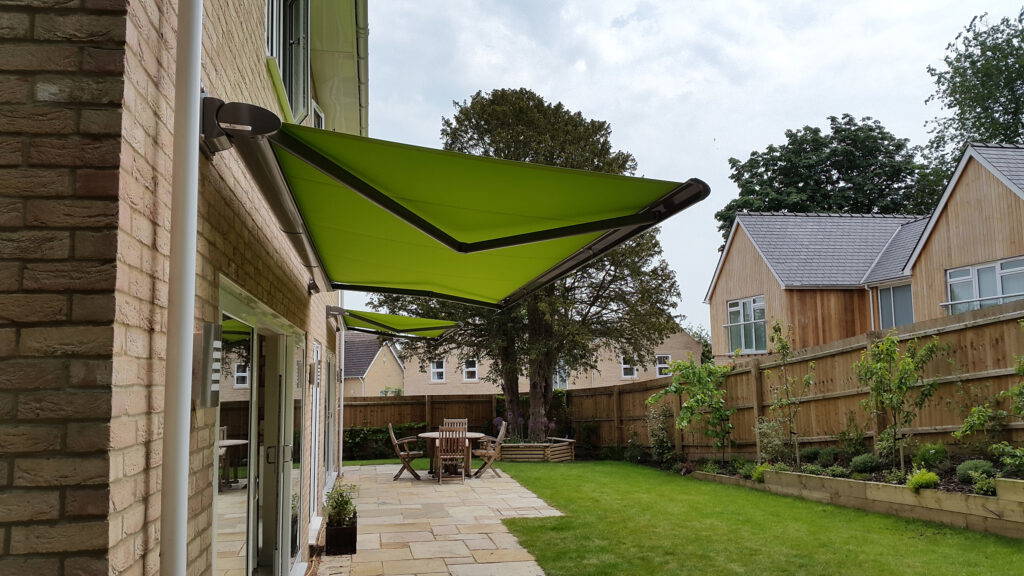
One Of The Most Frequently Asked Questions Many homeowners ask: “Can I leave the awning out overnight?” The answer is: Sometimes, Yes However, there are several factors worth considering before making it a habit. The Weather Doesn’t Stop At Sunset One of the most important things to remember is that weather conditions can change overnight. An evening that feels calm and pleasant can become very different by the early hours of the morning. This is why weather awareness remains important. Think About Wind Wind is usually the biggest consideration. Even relatively sheltered gardens can experience unexpected changes in conditions overnight. The longer an awning remains extended, the greater the chance of weather conditions changing while nobody is present. What About Light Rain? Many quality awnings can cope with occasional light rain. However, the issue isn’t usually the rain itself. The issue is leaving the system exposed to whatever weather may arrive while you’re asleep. Automation Can Help Some homeowners choose: to provide an additional layer of protection. These systems can help react to changing conditions automatically. Is It Safe To Leave It Out? The honest answer depends on: There is no single answer that applies to every property. What Do Most Homeowners Do? Many customers choose to retract the awning at the end of the day. It’s simple. It takes seconds. And it removes uncertainty about overnight weather changes. The Good News Retracting an awning is quick and easy. For many homeowners, making it part of the evening routine provides complete peace of mind. Our Advice When in doubt: Retract It It’s a simple habit that helps protect the system and avoid unnecessary risks. Ready To Learn More? If you’d like advice on weather protection, automation or sensors, we’d be delighted to help.
IS SMART HOME INTEGRATION WORTH IT?
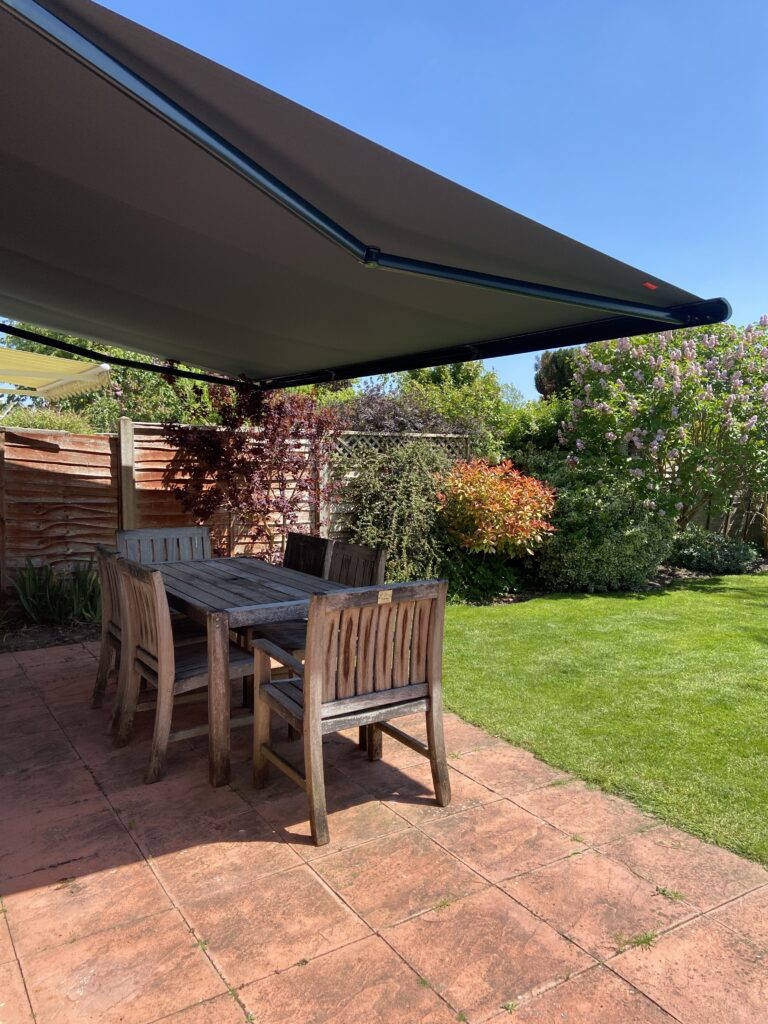
A Question More Homeowners Are Asking As smart technology becomes increasingly common, many homeowners ask: “Can my awning be connected to my smart home?” And perhaps more importantly: “Is it actually worth doing?” The answer depends entirely on how you use technology and what level of convenience you’re looking for. What Is Smart Home Integration? In simple terms, smart home integration allows different systems to communicate and work together. Examples may include: The objective is to create a more connected living environment. Why Some Homeowners Love It For technology enthusiasts, integration can provide: It allows multiple systems to be managed through a single platform. Why Others Prefer Simplicity Interestingly, not every customer wants smart home integration. Many homeowners prefer: And that’s perfectly fine. Technology should support your lifestyle, not dictate it. Think About How You Live When considering smart home integration, ask yourself: The answers are often more important than the technology itself. Future Possibilities One advantage of modern systems is flexibility. Even if you don’t want integration today, future options may still be worth discussing during the survey process. This can help keep possibilities open as technology evolves. Don’t Be Driven By Trends Smart technology changes quickly. What’s fashionable today may be forgotten tomorrow. The best investments are usually those that continue delivering value regardless of trends. Our Advice Choose smart home integration because it genuinely improves the way you use your home. Not because it’s available. Not because it’s fashionable. Not because someone else has it. The right solution is the one that works for you. Ready To Explore The Options? If you’re considering automation or smart home integration, we’d be delighted to explain the available possibilities and help determine what best suits your lifestyle.
UNDERSTANDING AWNING CONTROLS
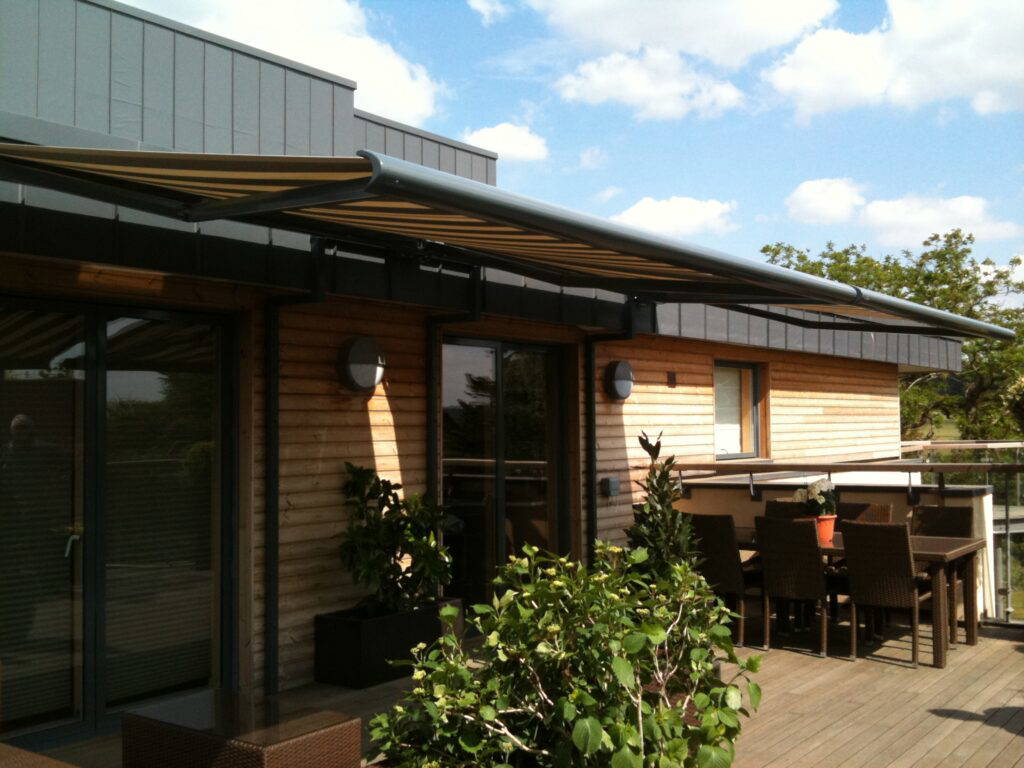
Simpler Than Most People Expect When homeowners begin looking at motorised awnings, one concern occasionally appears: “Will it be complicated to use?” The good news is that modern awning controls are designed to be straightforward, intuitive and easy to live with. In reality, most customers become comfortable operating their system within minutes. The Objective Is Simplicity Good automation should make life easier. Not more complicated. Whether you’re extending the awning for lunch with the family or retracting it at the end of the evening, operation should feel natural and effortless. Common Control Options Depending on the system selected, control options may include: The most appropriate option depends on how you prefer to use the system. Why Many Customers Like Remote Controls Remote controls remain one of the most popular choices. Why? Because they’re simple. For many homeowners, that’s all they need. Automation Can Add Convenience Automation allows the system to respond to certain situations automatically. Examples may include: The objective isn’t to remove control from the homeowner. It’s to add convenience where appropriate. What If I’m Not Good With Technology? This is something we hear regularly. The answer is simple: You don’t need to be. Modern control systems are designed for everyday use rather than technical expertise. In fact, many customers who initially worry about technology quickly discover the systems are remarkably straightforward. The Best System Is The One You’ll Actually Use The most advanced solution isn’t always the best solution. For some homeowners: For others: For others: The correct answer depends entirely on the individual customer. Think About Lifestyle When considering controls, ask yourself: The answers help determine which approach is likely to suit you best. Our Advice Don’t choose controls based on features alone. Choose them based on how you genuinely live. The right system is the one that feels natural and easy to use. Ready To Explore The Options? If you’re considering a motorised awning, we’d be delighted to explain the available control systems and help you determine what best suits your lifestyle.
WHAT HAPPENS DURING A POWER CUT?
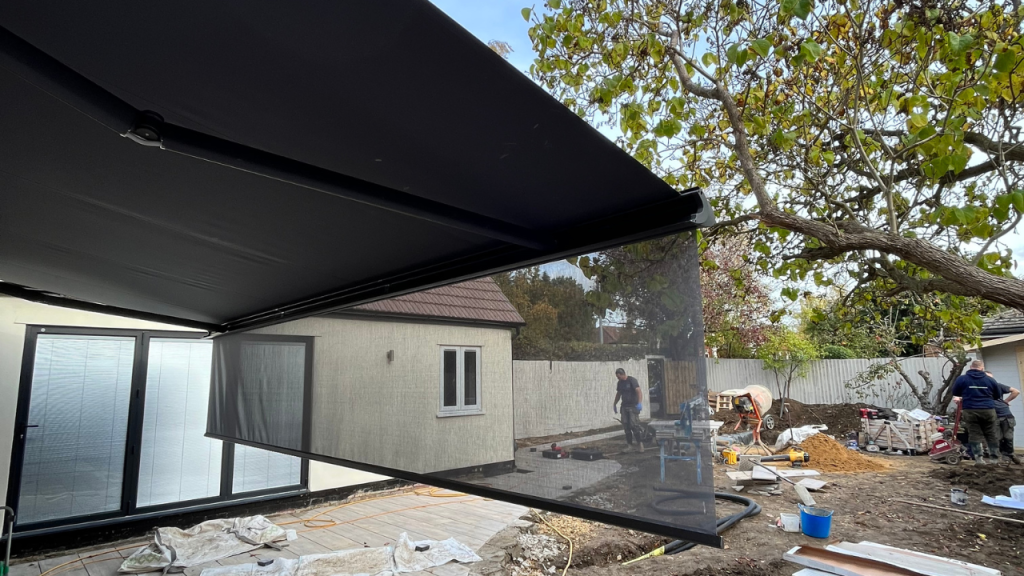
Another Question We’re Asked Surprisingly Often Modern awnings and outdoor living systems frequently include motors and automation. This naturally leads many homeowners to ask: “What happens if there’s a power cut?” Fortunately, power interruptions are usually temporary and rarely cause any long-term issues. However, understanding what to expect is always helpful. Modern Systems Depend On Electricity Motorised awnings rely on electrical power to operate. When power is available, extending and retracting the system is simple. When power is interrupted, the motor will generally be unable to operate until power is restored. How Common Are Power Cuts? For most homeowners, power cuts are relatively uncommon and usually resolved quickly. As a result, many customers never experience any inconvenience at all during the lifetime of their awning. What If The Awning Is Retracted? In most situations, there is little to worry about. The awning simply remains retracted until power returns. Normal operation can then resume. What If The Awning Is Extended? This is where individual systems may differ. Depending on the solution selected, different options may be available. This is something we can discuss during the survey process if it is a particular concern. Do Sensors Still Work? Automation and sensors also rely on power. During a power interruption, automated functions will generally be unavailable until normal operation resumes. Once power returns, systems typically return to normal operation. Should I Be Concerned? For most homeowners, no. Power cuts are generally infrequent and short-lived. As a result, they rarely influence the choice of outdoor living system. Focus On Everyday Use It’s easy to become distracted by unusual situations. The more important question is: “How will I use the system on the other 99.9% of days?” That’s usually where the greatest value lies. Our Advice If power-cut scenarios are particularly important to you, mention it during the survey. We’ll explain the available options and help you understand how different systems operate. The more information you have, the easier it becomes to make an informed decision. Ready To Explore The Options? If you’re considering automation or a motorised awning, we’d be delighted to explain the available features and help you choose the right solution.
CAN AUTOMATION BE ADDED LATER?
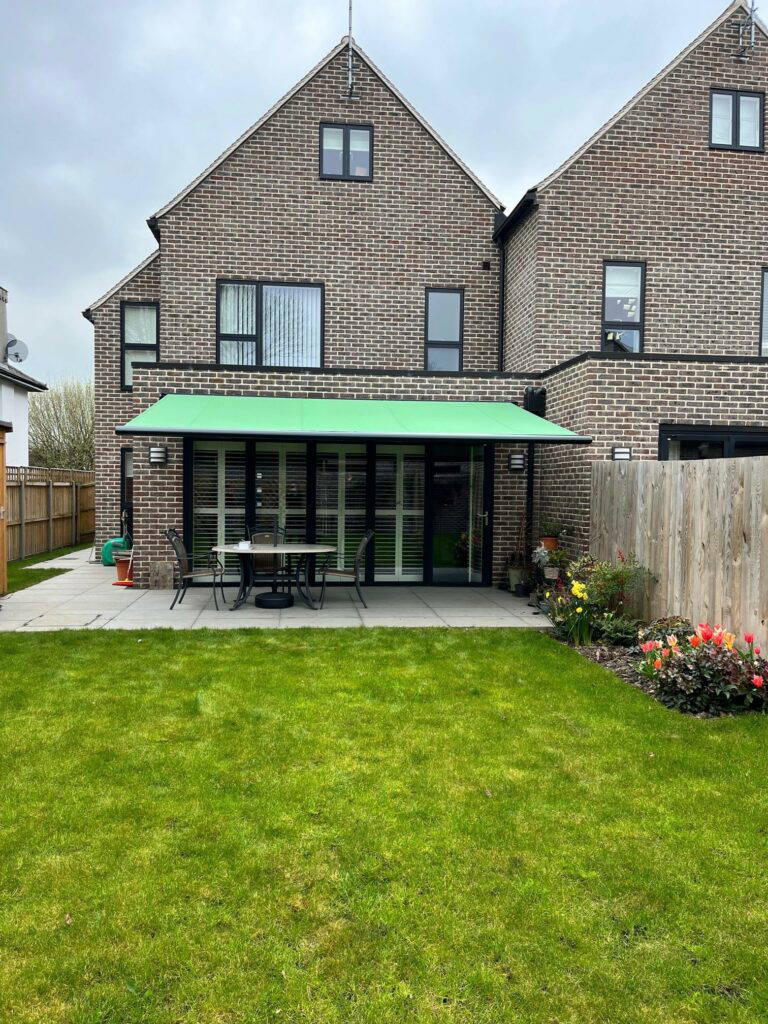
A Very Sensible Question Many homeowners begin by focusing on the awning itself. Only later do they start thinking about: This naturally leads to the question: “Can these features be added later?” In many situations, the answer is yes. However, it depends on the system and the features being considered. Planning Ahead Is Always Helpful Even if you’re not ready to add automation immediately, it’s often worth discussing future possibilities during the survey. This allows us to consider: A little planning can sometimes make future upgrades easier. Why Customers Delay Automation There are many reasons homeowners choose to start with a simpler solution. Examples include: All of these are perfectly reasonable. Sometimes Simplicity Wins It’s worth remembering that automation is an enhancement. The outdoor living experience itself remains the priority. Many customers are perfectly happy operating their systems with: The important thing is enjoying the space. Future Needs Can Change A customer who initially wants basic operation may later decide they would benefit from: This is why discussing future possibilities can be valuable. Every System Is Different Not all systems offer identical upgrade possibilities. The most sensible approach is to discuss: before making recommendations. Our Advice Even if you don’t want automation today, it’s worth having the conversation. You may decide you never need it. You may decide you’d like the flexibility later. Either way, understanding the options allows you to make informed decisions. Ready To Discuss Your Project? If you’re considering an awning or outdoor living solution, we’d be delighted to discuss both your current and future requirements. No pressure. No obligation. Just honest advice and practical guidance.
CAN I CONTROL MY AWNING FROM MY PHONE?
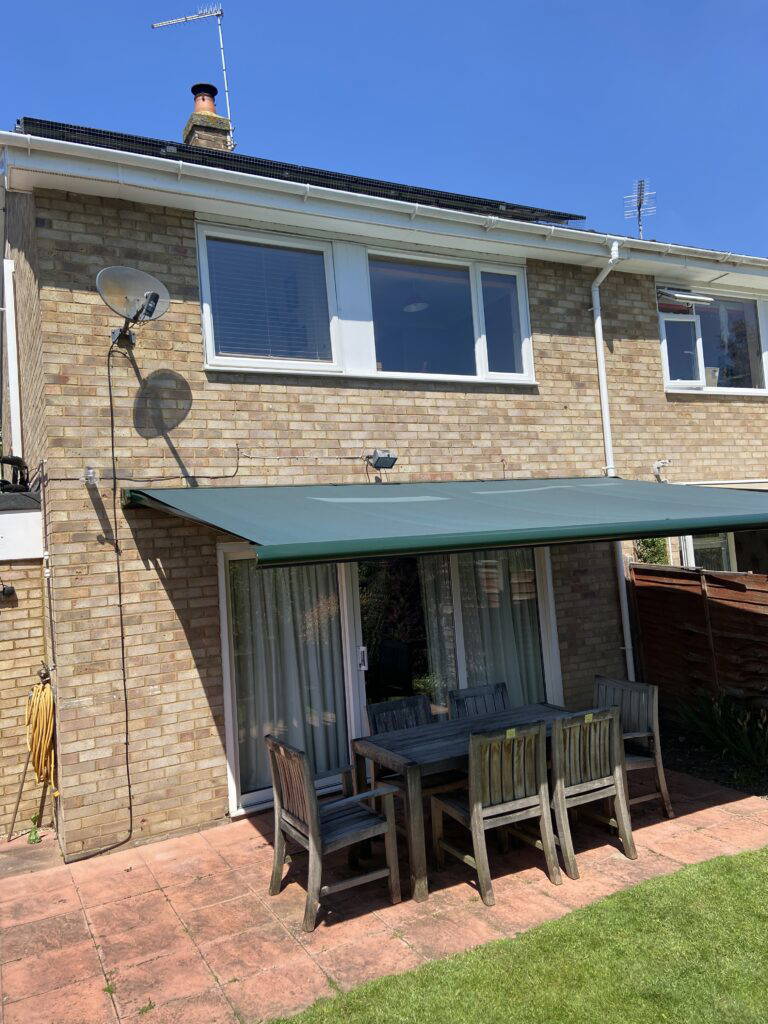
The Short Answer Is Yes One of the most common questions we hear today is: “Can I control my awning using my phone?” In many cases, yes. Modern automation systems can provide a range of control options, allowing homeowners to operate outdoor living systems in ways that suit their lifestyle. However, the important question isn’t whether you can control it from your phone. It’s whether doing so adds genuine value for the way you use your outdoor space. Why Do People Like App Control? For many homeowners, convenience is the main attraction. Instead of searching for a remote control, they can simply use a device that’s already in their pocket. This can make it easier to operate: from a single location. It’s About Simplicity The best technology is often technology that makes life easier. Good automation should feel: The objective isn’t to create complexity. The objective is to make outdoor living effortless. Can I Control Everything Together? Depending on the system selected, it may be possible to integrate multiple features. Examples can include: This creates a more connected outdoor environment. What If I Prefer A Remote? That’s perfectly fine too. Many homeowners continue to use traditional remote controls and are completely happy doing so. In fact, some customers prefer the simplicity of: There is no right or wrong answer. Think About How You Actually Live When considering automation, ask yourself: The answer is different for every customer. Future Flexibility Many automation systems continue evolving over time. This means future integration options may become available depending on the system selected. It’s one reason we discuss future plans during the survey process. Our Advice Don’t choose app control because it sounds impressive. Choose it because it genuinely improves the way you’ll use the system. For some homeowners, it’s a fantastic addition. For others, a simple remote control is more than sufficient. Ready To Explore The Options? If you’re considering automation, we’d be delighted to explain the available control options and help you determine what best suits your lifestyle. No pressure. No obligation. Just honest advice and practical guidance.
WHAT DOES A VIBRATION SENSOR DO?
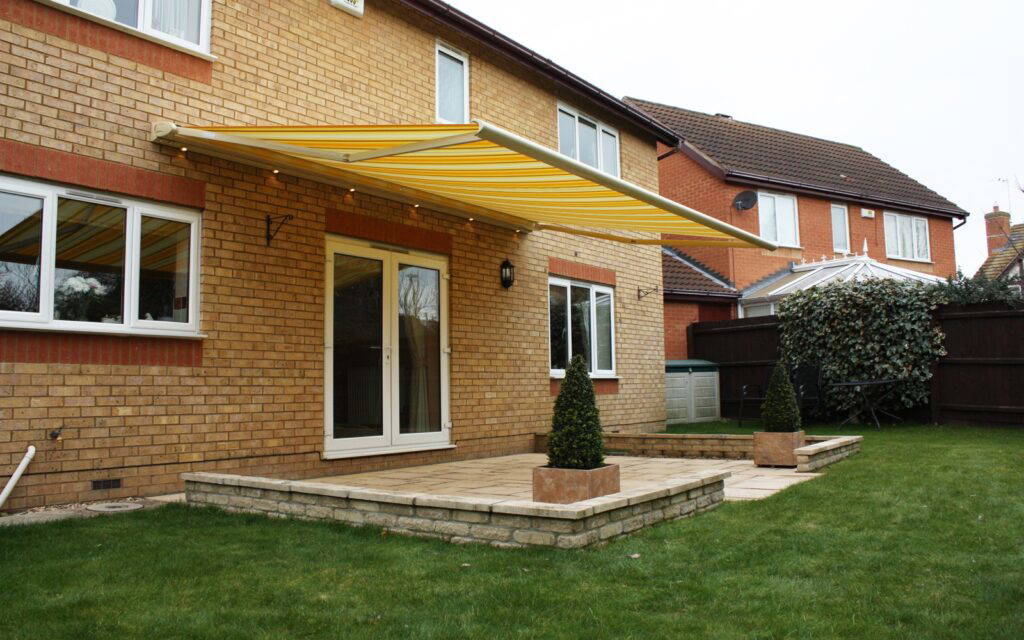
One Of The Most Clever Features Most People Never See Working Many customers have heard of wind sensors. Fewer have heard of vibration sensors. This often leads to the question: “What does a vibration sensor actually do?” The answer is surprisingly simple. Monitoring Movement Rather than measuring wind speed directly, a vibration sensor monitors movement within the awning structure itself. As wind affects the awning, the sensor detects increasing levels of vibration. If those vibrations exceed a predetermined level, the system can respond automatically. Why Is This Useful? Every property experiences wind differently. A weather station several miles away may record one set of conditions. Your patio may experience something completely different. A vibration sensor focuses on what the awning itself is experiencing rather than relying solely on broader weather information. Additional Protection The objective is not to replace sensible operation. The objective is to provide: Particularly when conditions change unexpectedly. Particularly Useful For Exposed Locations Vibration sensors are often worth discussing where properties experience: These environments can place additional demands on outdoor systems. Does The Customer Need To Do Anything? No. Once installed and configured, the system operates automatically. Most homeowners never think about it again. That’s generally a good sign. Good automation should feel effortless. Are They Worth Considering? For many homeowners, yes. Particularly where convenience and protection are important. The value often lies not in what the sensor does every day, but in what it helps prevent over the years. Our Advice If you’re considering automation, ask us about vibration sensors during the survey. We’ll explain how they work and whether they may be beneficial for your particular property. No pressure. No obligation. Just honest advice and practical guidance.
ARE WEATHER SENSORS WORTH IT?
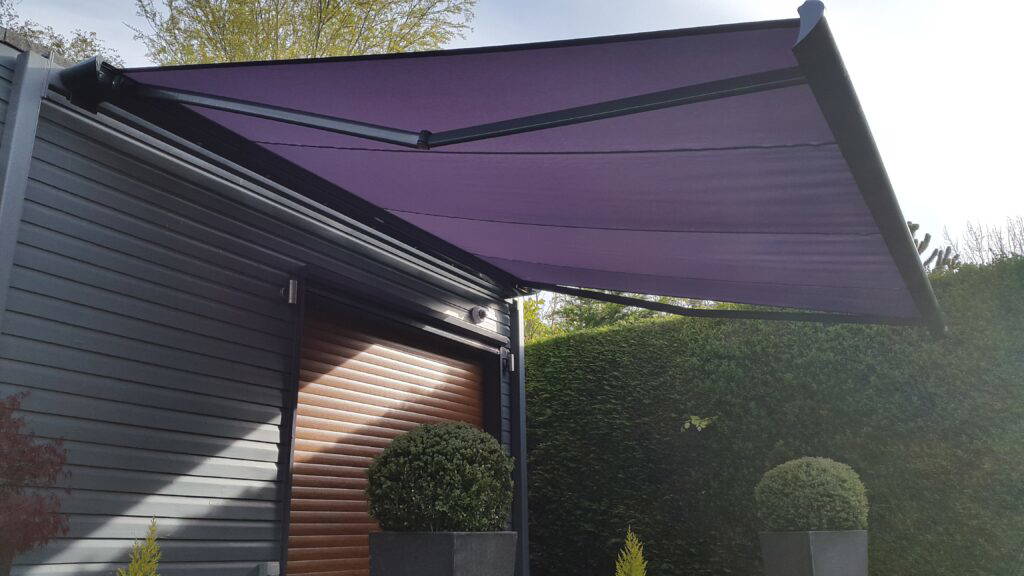
A Small Upgrade That Can Make A Big Difference When discussing motorised awnings, many customers ask: “Are weather sensors really worth the extra cost?” The honest answer is: For Many Homeowners, Yes Particularly when convenience and peace of mind are important. What Is A Weather Sensor? Weather sensors are designed to monitor changing conditions and help protect the system automatically. Depending on the system, this may include: The objective is simple. Provide an additional layer of protection. Why Do People Choose Them? Most homeowners don’t spend every moment watching the weather. Life gets busy. People: Weather sensors help reduce the need to constantly think about the awning when conditions change. Peace Of Mind This is perhaps the biggest benefit. Many customers tell us they simply like knowing the system has some ability to protect itself if conditions change unexpectedly. That reassurance alone often makes the upgrade worthwhile. Particularly Useful For Exposed Properties Weather sensors can be especially valuable where properties experience: The more exposed the property, the more valuable automation often becomes. Are They Essential? No. Many customers choose manual operation and are perfectly happy. The system can still perform extremely well. The difference is that weather sensors add another level of convenience and protection. Think Long-Term When considering the overall investment in an outdoor living system, many homeowners decide that the additional reassurance provided by weather monitoring represents good value. Particularly when viewed over many years of ownership. Our Advice If you’re already investing in a quality awning, it’s worth discussing weather protection options during the survey. You may decide they’re not necessary. You may decide they’re one of the best upgrades available. The important thing is understanding the options. Ready To Learn More? We’ll be happy to explain the available automation systems and help determine whether weather sensors are appropriate for your property. No pressure. No obligation. Just honest advice and practical guidance.