
A Homeowner’s Guide to Post-Winter Awning Maintenance
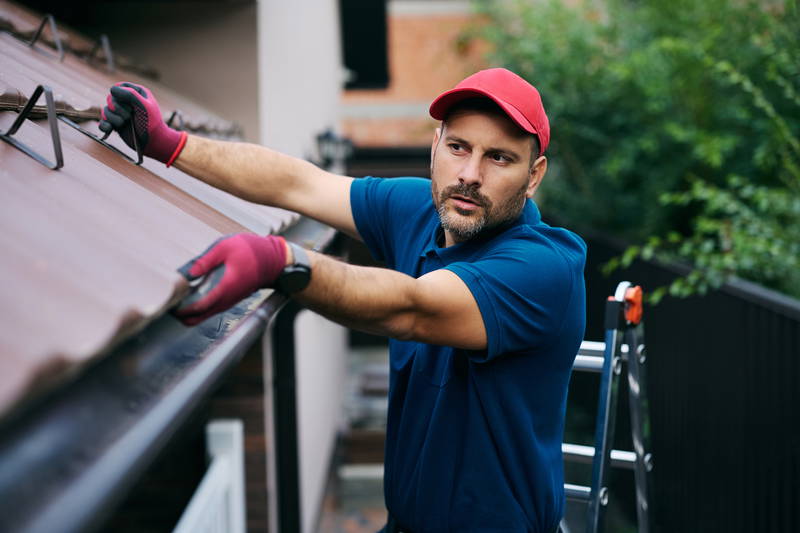
Many homeowners love spending time in their gardens, especially during pleasant summer weather, and those with a patio awning enjoy the added protection it provides against harsh weather. But during the winter months, awnings are folded and stored, ready to be brought out again the following spring. But what many homeowners fail to recognise is the signs that their awning has deteriorated during months in storage, and a damaged or broken awning can be dangerous and expensive to repair. Below is a step-by-step guide to inspecting a garden awning before putting it back up this year, and when it’s best to cut your losses and invest in a new, structurally sound awning from the experts at Cambridge Awnings. Look for Visible Damage to the Fabric The first thing to inspect when preparing a patio awning for use again is the fabric. Over time, even the best-quality garden awnings can start to show signs of wear and tear from exposure to the elements. When inspecting the fabric, look for: Tears or Rips Awnings are often subjected to strong winds or heavy snow, which can cause the fabric to rip or tear. Even a small tear can worsen quickly and render the awning ineffective. If there are any tears, it’s important to assess the extent of the damage. Small holes might be repairable, but larger ones could require replacement. Fading and Discolouration UV rays from the sun can cause fabrics to fade over time, even when the awning is stored away. If the fabric has lost its original colour or become significantly faded, it may be a sign of long-term wear, making the fabric brittle and more prone to damage. Water Damage or Mould If an awning fabric has absorbed moisture during storage, it might have dark spots or stains. Water stains, mould, and mildew are common in areas with high humidity. These issues not only affect the appearance but can also cause the material to weaken. Cracking or Brittle Spots If an awning is made from vinyl or another synthetic material, look out for any spots that have become brittle or cracked. These areas are vulnerable to tearing and may need replacement. If the fabric has suffered significant damage, it’s often better to replace it rather than attempt repairs, as patched areas may not hold up well under repeated use. Inspect the Frame and Structure for Weakness The frame is the backbone of the awning, and any issues with its integrity could lead to serious problems once the awning is up and in use. Look for the following signs of wear: Rust or Corrosion Metal frames, especially in older models, are susceptible to rust and corrosion, particularly if the awning has been exposed to moisture. Inspect the entire frame for any signs of rust. Rust weakens the metal and can make the structure brittle, leading to breakage or collapse. Bending or Warping Extreme weather conditions, including snow and high winds, can cause the frame to bend or warp. Check that the frame is straight and aligned properly. Even a small bend can affect its mechanisms and make it unsafe to use. Loose or Missing Bolts Over time, the bolts and screws that hold the frame together can loosen or even fall out. This can destabilise the awning and lead to further damage. If any bolts are loose or missing, replace them before reinstallation to keep the awning safe and functional. Cracks or Structural Weaknesses Examine the frame closely for any visible cracks, especially around the joints and hinges. If the frame shows signs of significant structural damage, it may not be safe to continue using it. If the frame has significant damage or is showing signs of weakening, it’s often safer to replace the awning or the frame entirely rather than risk further deterioration. Check the Mechanism: Retractable or Fixed Whether an awning is retractable or fixed, the mechanism that opens and closes it is essential. For retractable awnings, the mechanism is even more important as it allows users to extend or retract the awning as needed. It’s important to check the following: Smooth Operation Open and close the awning a few times to check that the mechanism runs smoothly. If the awning is retractable, check whether the motor or manual crank works smoothly. If the awning sticks or jams, there may be an issue with the motor or mechanism that requires repair or replacement. Unusual Noises Listen for any strange noises when operating the awning. Squeaking, grinding, or rattling sounds could indicate mechanical issues, such as worn-out gears or loose parts, that need attention. Spring Tension Issues Retractable awnings rely on spring tension to maintain the correct tautness. If the awning sags or struggles to stay extended, it may indicate a problem with the spring tension, which may require a professional to adjust or replace it. If the mechanism isn’t working as it should or appears to be malfunctioning, it’s worth getting it inspected or replaced to avoid more serious issues in the future. Evaluate the Condition of the Awning’s Supports The supports that hold up an awning are just as important as the frame. Without stable supports, the entire structure can become unsafe for use. When inspecting the supports, check for: Stability Gently shake the supports to make sure they’re secure and properly fixed. If they feel loose or wobbly, this could be that the supports are damaged and may need tightening or replacing. We can assess this and decide the best course of action. Rust and Corrosion Just like the frame, metal supports can also rust or corrode. If there are any signs of rust or deterioration, it’s essential to replace the affected supports to maintain the awning’s overall integrity. Damage to the Brackets The brackets that hold the supports in place can become damaged or loose over time. Ensure the brackets are still securely fastened and in good condition. If there’s any damage, replacing the brackets will prevent further issues. Assess the Overall Appearance Always take