
A Homeowner’s Guide to Post-Winter Awning Maintenance
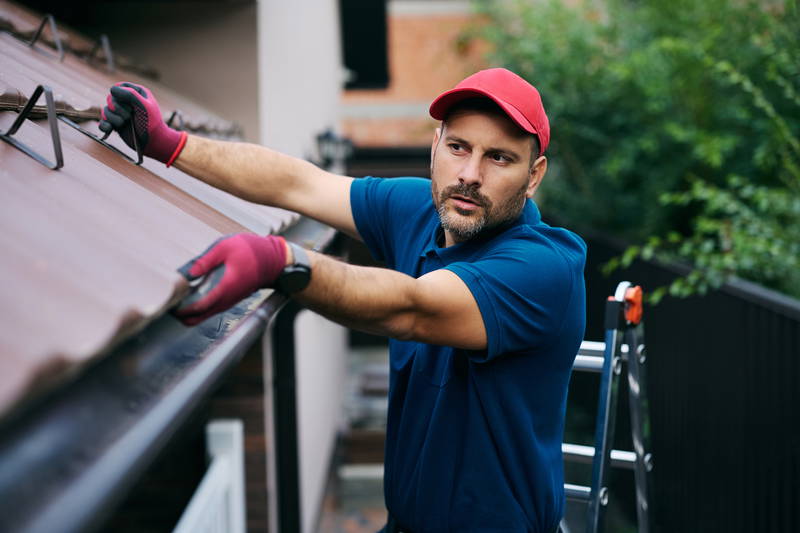
Many homeowners love spending time in their gardens, especially during pleasant summer weather, and those with a patio awning enjoy the added protection it provides against harsh weather. But during the winter months, awnings are folded and stored, ready to be brought out again the following spring. But what many homeowners fail to recognise is the signs that their awning has deteriorated during months in storage, and a damaged or broken awning can be dangerous and expensive to repair. Below is a step-by-step guide to inspecting a garden awning before putting it back up this year, and when it’s best to cut your losses and invest in a new, structurally sound awning from the experts at Cambridge Awnings. Look for Visible Damage to the Fabric The first thing to inspect when preparing a patio awning for use again is the fabric. Over time, even the best-quality garden awnings can start to show signs of wear and tear from exposure to the elements. When inspecting the fabric, look for: Tears or Rips Awnings are often subjected to strong winds or heavy snow, which can cause the fabric to rip or tear. Even a small tear can worsen quickly and render the awning ineffective. If there are any tears, it’s important to assess the extent of the damage. Small holes might be repairable, but larger ones could require replacement. Fading and Discolouration UV rays from the sun can cause fabrics to fade over time, even when the awning is stored away. If the fabric has lost its original colour or become significantly faded, it may be a sign of long-term wear, making the fabric brittle and more prone to damage. Water Damage or Mould If an awning fabric has absorbed moisture during storage, it might have dark spots or stains. Water stains, mould, and mildew are common in areas with high humidity. These issues not only affect the appearance but can also cause the material to weaken. Cracking or Brittle Spots If an awning is made from vinyl or another synthetic material, look out for any spots that have become brittle or cracked. These areas are vulnerable to tearing and may need replacement. If the fabric has suffered significant damage, it’s often better to replace it rather than attempt repairs, as patched areas may not hold up well under repeated use. Inspect the Frame and Structure for Weakness The frame is the backbone of the awning, and any issues with its integrity could lead to serious problems once the awning is up and in use. Look for the following signs of wear: Rust or Corrosion Metal frames, especially in older models, are susceptible to rust and corrosion, particularly if the awning has been exposed to moisture. Inspect the entire frame for any signs of rust. Rust weakens the metal and can make the structure brittle, leading to breakage or collapse. Bending or Warping Extreme weather conditions, including snow and high winds, can cause the frame to bend or warp. Check that the frame is straight and aligned properly. Even a small bend can affect its mechanisms and make it unsafe to use. Loose or Missing Bolts Over time, the bolts and screws that hold the frame together can loosen or even fall out. This can destabilise the awning and lead to further damage. If any bolts are loose or missing, replace them before reinstallation to keep the awning safe and functional. Cracks or Structural Weaknesses Examine the frame closely for any visible cracks, especially around the joints and hinges. If the frame shows signs of significant structural damage, it may not be safe to continue using it. If the frame has significant damage or is showing signs of weakening, it’s often safer to replace the awning or the frame entirely rather than risk further deterioration. Check the Mechanism: Retractable or Fixed Whether an awning is retractable or fixed, the mechanism that opens and closes it is essential. For retractable awnings, the mechanism is even more important as it allows users to extend or retract the awning as needed. It’s important to check the following: Smooth Operation Open and close the awning a few times to check that the mechanism runs smoothly. If the awning is retractable, check whether the motor or manual crank works smoothly. If the awning sticks or jams, there may be an issue with the motor or mechanism that requires repair or replacement. Unusual Noises Listen for any strange noises when operating the awning. Squeaking, grinding, or rattling sounds could indicate mechanical issues, such as worn-out gears or loose parts, that need attention. Spring Tension Issues Retractable awnings rely on spring tension to maintain the correct tautness. If the awning sags or struggles to stay extended, it may indicate a problem with the spring tension, which may require a professional to adjust or replace it. If the mechanism isn’t working as it should or appears to be malfunctioning, it’s worth getting it inspected or replaced to avoid more serious issues in the future. Evaluate the Condition of the Awning’s Supports The supports that hold up an awning are just as important as the frame. Without stable supports, the entire structure can become unsafe for use. When inspecting the supports, check for: Stability Gently shake the supports to make sure they’re secure and properly fixed. If they feel loose or wobbly, this could be that the supports are damaged and may need tightening or replacing. We can assess this and decide the best course of action. Rust and Corrosion Just like the frame, metal supports can also rust or corrode. If there are any signs of rust or deterioration, it’s essential to replace the affected supports to maintain the awning’s overall integrity. Damage to the Brackets The brackets that hold the supports in place can become damaged or loose over time. Ensure the brackets are still securely fastened and in good condition. If there’s any damage, replacing the brackets will prevent further issues. Assess the Overall Appearance Always take
Discussing the Latest Awning Trends For 2026
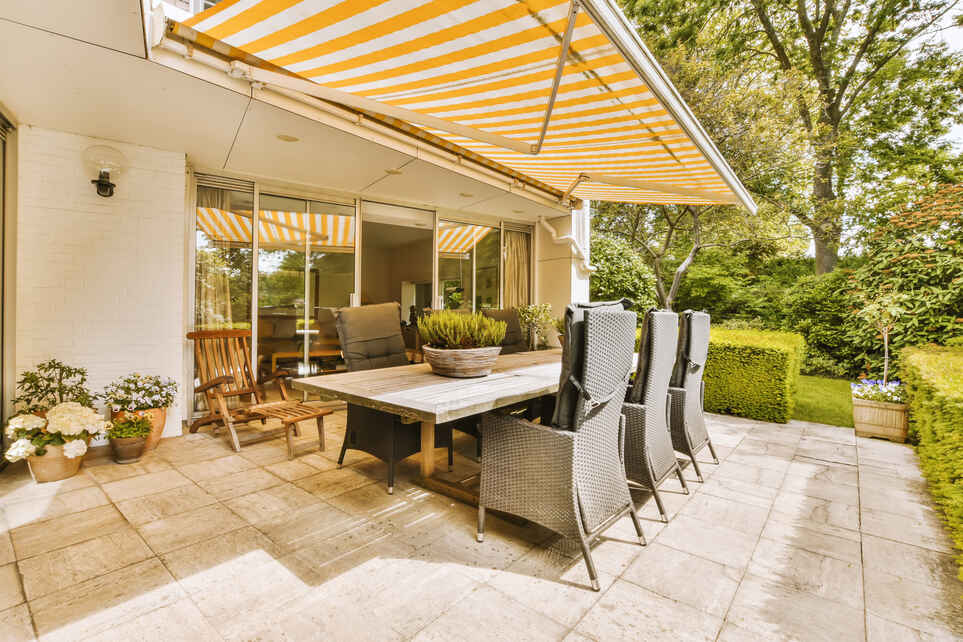
As more homeowners embrace outdoor living, awnings are becoming a key feature in garden design. A simple addition that protects users from the sun whilst still enjoying the outdoors, awnings are a simple solution that extends the living area of any home. Thankfully, awning technology has evolved significantly over the years, and the days of awkward manual crank mechanisms that could break or rust are gone. There are now several options available to suit every lifestyle and budget. Let’s explore the latest trends in garden awnings and how every homeowner can benefit from this stylish addition to their home and garden. The Rise of Patio Awnings: A Classic with a Modern Twist Patio awnings are a timeless addition that provides the ideal balance between practicality and aesthetics. They create a comfortable space where homeowners can enjoy their patio year-round, whether it’s for dining, relaxation, or entertaining guests. Patio awnings have evolved in recent years, driven by modern materials, designs, and technologies. Homeowners can now choose from more durable fabrics that offer enhanced weather resistance, ensuring longevity. Eco-friendly fabrics are increasingly common, offering sustainable options and long-lasting durability. These new materials and designs combine comfort and practicality, giving homeowners a reliable solution for sun protection and a cool, shaded space to enjoy during summer. Cost Effect Shading Solution With summer comes sunny days, warm weather, and more time spent outdoors. After investing in a new patio and high quality garden furniture, many homeowners are left wondering how to enjoy their space when the weather gets too warm. A patio awning is a great solution. They’re sturdier than a parasol whilst remaining cost-effective and usable year after year. With a permanent awning in place, users can enjoy their garden more frequently, taking advantage of pleasant weather and fresh air whilst avoiding the harmful effects of sun exposure. Pergola Awnings: Blending Architecture with Outdoor Living While patio awnings remain a classic choice, pergola awnings are also gaining popularity. These awnings combine the elegance of a stunning pergola with the option to add shade, creating a beautiful and practical outdoor space. Pergola awnings are well-suited to larger gardens, patios, or decking areas, providing an additional layer of shelter that is ideal for both sunny and rainy days. Pergola awnings are an ideal focal point for any garden, providing a stylish and functional space for relaxation, dining, or entertaining. With their open-sided design, they allow natural light to filter through while still providing protection from the sun, making them ideal for year-round outdoor enjoyment. The Convenience of Electric Awnings Electric awnings have become a game-changer in outdoor living. Offering unmatched convenience, electric patio awnings are controlled by a simple remote or smartphone app, making it easier than ever to enjoy an outdoor space. The convenience of electric awnings lies in the greater control they offer compared to manual options. Users can program their electric awning to extend or retract at set times of day, ensuring their outdoor space is always at the ideal temperature. Awnings as Part of Your Smart Home Setup As part of the ongoing trend toward smart homes, smart awnings are becoming an essential addition for homeowners who want to streamline their outdoor living experience. With integrations with popular systems like Google Home and Amazon Alexa, these awnings let users control the shade and lighting in their garden with voice commands or their smartphones. This trend toward automation enables homeowners to seamlessly integrate their patio awnings into their home environment, further improving daily living by making their outdoor space even more enjoyable. Lighting and Atmosphere: Enhancing Your Outdoor Space The integration of lighting to enhance a garden’s atmosphere is also a growing trend in 2026. Adding LED lighting to an awning improves visibility in the evening and creates a relaxing ambience, extending outdoor living hours. LED strip lights integrated into the awning frame are a popular choice, providing soft, even lighting ideal for dinner parties or evening relaxation. Some homeowners are opting for colour-changing LEDs, which can be adjusted to suit different moods or occasions. Under-awning lighting can also highlight the outdoor furniture and décor, making the space feel more inviting and stylish. Adding lighting to an awning transforms the outdoor space, making it ideal for evening entertainment or quiet relaxation under the stars. When paired with smart controls, the lighting can even be automated to turn on at sunset or when the awning is extended. The Importance of Expert Design and Installation When investing in a new awning, it’s important to work with a team of experts to ensure that it not only looks great but also functions well for years to come. At Cambridge Awnings, we specialise in tailoring designs that seamlessly complement a home and meet our customers’ specific needs. Expert design and installation are crucial to an awning’s lifespan. We complete every installation with precision and care, ensuring the awning is ready in time for the summer months and provides reliable shade and protection whenever you need it. Preparing for Summer with the Latest Awning Trends Overall, garden awnings have evolved in recent years to better meet the needs of modern homeowners. From sleek patio awnings and architectural pergola awnings to innovative electric awnings, there are more options than ever to enhance an outdoor space. Add smart lighting or heaters, and you have a solution that makes the garden the ideal spot to relax and entertain, day or night. At Cambridge Awnings, we can help you every step of the way. Whether you’re looking for a simple patio awning or a fully integrated smart awning system, we can help. Contact us today on 07904 761404 or by emailing sales@cambridge-awnings.co.uk to discuss how we can help you prepare your outdoor space for summer with the latest in awning design and technology.