
How Awnings Can Save You Money on Energy Bills
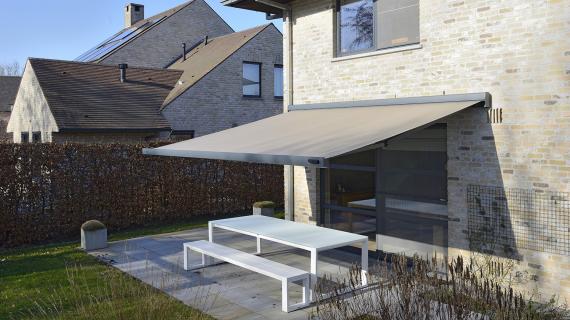
Awnings are recognised as a practical addition to homes and commercial properties. While they are commonly associated with creating shaded outdoor spaces, awnings offer much more than aesthetic appeal and comfort. One of the lesser-known benefits of installing a house canopy or sun awning is its ability to help reduce energy bills. By acting as a barrier between the sun’s heat and your home’s interior, awnings can play a pivotal role in managing indoor temperatures, reducing the need for air conditioning, and even lowering heating costs in winter. In this blog, we’ll explore how awnings contribute to energy savings and why investing in one can be a cost-effective decision for your home. Reducing Heat Gain in Summer During the warmer months, one of the biggest contributors to high energy bills is the need for cooling systems such as air conditioners or electric fans. Much of this expense comes from solar heat gain, which occurs when sunlight enters through windows and heats up the interior of your home. When this happens, your cooling systems have to work harder to maintain a comfortable temperature, leading to increased energy consumption. Investing in a house canopy or sun awning can make a substantial difference. By providing shade to windows, doors, and outdoor spaces, awnings can block a significant amount of the sun’s rays from entering your home. Studies have shown that awnings can reduce solar heat gain by up to 77% on west-facing windows and 65% on south-facing windows, depending on their positioning and the type of fabric used. This reduction in heat gain translates directly into energy savings, as your air conditioning unit will not have to work as hard to keep the indoor temperature cool. Lowering Cooling Costs With a significant reduction in solar heat gain, the immediate effect is lower cooling costs. Awnings effectively prevent direct sunlight from penetrating large glass windows and doors, which are often the main sources of heat during summer. By blocking this heat, awnings help keep indoor spaces naturally cooler, reducing the need to rely on energy-hungry air conditioning. The benefits of sun awnings extend beyond just shading. Retractable awnings, in particular, offer flexibility. On cooler days, the awning can be retracted to allow sunlight to naturally warm your home, while on hotter days, it can be extended to provide maximum shade. This adaptability ensures you get the most energy-efficient solution for your home, no matter the weather conditions. Homeowners who have installed sun awnings often report noticeable reductions in their monthly energy bills during the summer months. Preventing Heat Loss in Winter While it may seem counterintuitive, awnings can also contribute to energy savings during the winter. Many modern awnings are designed to be retractable, allowing them to be folded away when not needed. During winter, retracting your awning allows sunlight to enter your home, providing natural warmth and reducing the need for artificial heating. This passive solar heating can be a valuable source of warmth, especially on sunny winter days. Additionally, certain awning designs act as an insulating layer for windows, particularly when paired with double-glazed or energy-efficient windows. By minimising the cold air that passes through, awnings can help retain heat inside your home, reducing your reliance on central heating systems. This, in turn, leads to energy savings and lower heating bills, making awnings a year-round energy-saving investment. Protecting Furniture and Flooring from Sun Damage A further advantage of installing a house canopy or sun awning is the protection it offers to your home’s interior. Over time, prolonged exposure to direct sunlight can cause damage to furniture, flooring, and even electronics. UV rays are notorious for causing fading and deterioration, particularly in fabrics, wood, and leather materials. When furniture and flooring are exposed to sunlight through windows, the damage can lead to costly repairs or replacements. By shading windows and doors, an awning helps shield your interiors from harmful UV rays. This protection not only preserves the longevity of your home’s furnishings but also indirectly saves you money by reducing the need for replacements and repairs over time. Reducing Air Conditioning Wear and Tear The strain placed on air conditioning units during the summer months can lead to increased wear and tear, often requiring maintenance or early replacement of the system. By reducing the heat gain in your home with an awning, your cooling system will experience less strain and may last longer. This can result in long-term savings by lowering the frequency of repairs and extending the lifespan of your air conditioning unit. The less your air conditioning runs, the less wear and tear it will face, which can save homeowners a significant amount in maintenance costs over the years. Choosing the Right Awning to Maximise Energy Savings To fully realise the energy-saving potential of awnings, it’s important to choose the right one for your home. Factors such as the size, shape, and material of the awning, as well as its positioning in relation to the sun’s path, all contribute to its effectiveness. For example, fabric awnings with UV-resistant coatings tend to offer better solar protection, while retractable models allow for greater flexibility in managing sunlight. The placement of your awning is another key factor. Installing a house canopy or sun awning over windows that receive the most sunlight during the day, such as those facing south or west, can significantly reduce solar heat gain. Furthermore, choosing a style that complements the architecture of your home can ensure that the awning enhances both the functionality and visual appeal of your property. Visit Our Cambridge Awanings for More Information Awnings are not just a decorative feature for your home’s exterior, they are a smart investment that can help reduce your energy bills while adding comfort and style to your outdoor living space. By effectively controlling solar heat gain, protecting your home’s interior, and reducing the strain on your air conditioning and heating systems, awnings offer significant long-term savings. Cambridge Awnings understands the value of energy efficiency and how important it is for
The Advantages of Integrating Heaters into Your Awning System
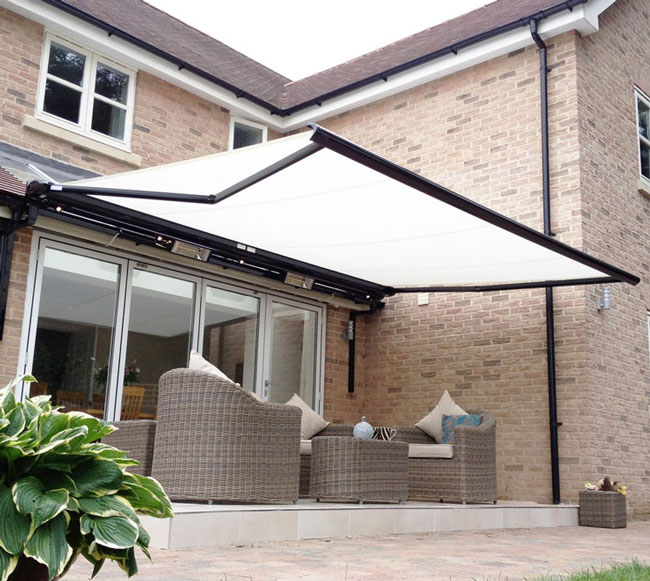
If you are looking to create a versatile garden, many homeowners are now looking beyond traditional garden awnings. The integration of heaters within the awning system is a development that enhances the functionality of awnings, transforming patios and gardens into comfortable, year-round spaces. This concept extends the usability of outdoor areas and adds luxury and convenience that can significantly elevate the quality of home life. In this blog, we take a look at the many advantages of adding heaters to your awning system. Extending Outdoor Usage Across Seasons One of the main reasons to integrate heaters into your awning system is the extended usability they offer. In the UK, where weather can be unpredictable and often chilly, the addition of a heating element allows you to enjoy your outdoor space well into the cooler months. Electric patio awnings equipped with heaters mean that garden gatherings or quiet outdoor evenings need not be cut short as temperatures drop. They create a warm and inviting atmosphere that makes it comfortable to stay outside for longer periods. Enhanced Comfort with a Touch of Luxury Adding heaters to your awning system is practical and also adds luxury to your garden. The warmth provided by built-in heaters can make a significant difference in how a space feels. This feature is particularly appealing in settings used for entertaining guests, where the comfort of every guest is important. It ensures that the ambience remains cosy and welcoming, regardless of the dipping temperatures outside. Energy Efficiency and Cost Effectiveness Modern heating solutions incorporated in garden awnings are designed with energy efficiency in mind. Electric heaters, for instance, are known for their ability to deliver heat effectively without consuming excessive energy. This efficiency not only ensures that the outdoor space is heated evenly but also helps keep energy costs under control. The ability to only heat the area you are using, rather than the entire house interiors, can result in considerable energy savings, especially during transitional weather periods. Seamless Design Integration Today’s garden awnings with integrated heaters have sleek designs that blend seamlessly into the overall aesthetics of the outdoor area. The heaters are often discreetly incorporated within the awning framework, maintaining the structure’s elegance and style. This integration ensures that the visual appeal of your outdoor setting is not compromised. With a range of designs available, it is easy to find an awning that fits well with the architectural character of your home and meets your functional needs. Ease of Use and Safety Operating an awning system with integrated heaters is remarkably user-friendly. Many modern systems come equipped with remote controls or smartphone connectivity, enabling users to adjust settings without physical effort. Additionally, safety is a critical component of these designs. Electric patio awnings with heaters are constructed to meet stringent safety standards, ensuring that they are safe to use around children and pets. This provides peace of mind for homeowners, knowing that their comfort does not come at the expense of safety. Increase in Property Value The installation of an awning system with integrated heaters can also contribute to an increase in property value. Outdoor living spaces are highly prized in the real estate market, and the addition of a functional, aesthetically pleasing awning system can make a property more attractive to potential buyers. It’s seen not just as an addition but as an investment that future-proofs the usability and appeal of the garden space. Environmental Considerations From an environmental standpoint, using heaters that are integrated into awning systems can be seen as a more sustainable option compared to traditional methods of outdoor heating, such as open fires or propane heaters. Electric heaters produce no direct emissions, making them a cleaner choice that contributes to a lower carbon footprint for your household. Adding heaters to your garden awning systems represents a thoughtful convergence of style, comfort, and practicality. It offers a solution that extends the functionality of outdoor living spaces while maintaining energy efficiency, safety, and aesthetic integrity. At Cambridge Awnings we promise quality, innovation, and customer satisfaction. Our range of electric patio awnings equipped with lights and heaters is designed to meet the highest standards of durability and performance. We understand that an awning is more than just a cover, it’s a lifestyle enhancement. Therefore, we commit to providing our clients with solutions that not only meet their immediate needs but also enrich their living environment for years to come. For more information, please visit our website or send us an email to sales@cambridge-awnings.co.uk.